Introduction
The Federal Reserve, America’s central banking system, plays a crucial role in shaping monetary policy, influencing interest rates, and ensuring financial stability. The recent Federal Reserve meeting, held on September 20, 2023, attracted significant attention from economists, investors, and policymakers as it hinted at future economic directions in the face of ongoing inflation and geopolitical tensions.
Key Discussions and Outcomes
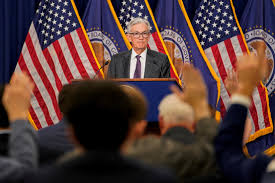
During the meeting, the Federal Open Market Committee (FOMC) decided to maintain the federal funds rate at 5.25% – 5.50%. This marks a temporary pause after several consecutive rate hikes aimed at curbing inflation, which has remained relatively high at 3.7% as reported in August 2023. Chair Jerome Powell stated that the Fed will remain data-dependent, indicating that adjustments to rates may be considered based on forthcoming economic indicators.
Officials expressed concerns over stagnant wage growth and the potential impact of high borrowing costs on the consumer spending, which is crucial for economic growth. The committee projected a modest GDP growth of 2.1% for the remainder of the year, touching on the need for cautious optimism as labor markets remain strong.
Market Reactions and Future Implications
The announcement elicited mixed reactions from the markets. Major stock indexes fluctuated, reflecting investor uncertainty about future monetary policy shifts. Analysts speculate that a sustained pause could lead to a more favorable environment for economic expansion if inflation continues to cool. Conversely, inflation persistence might lead the Fed to introduce additional rate hikes in upcoming meetings, scheduled for November 2023 and December 2023.
Financial experts emphasize the importance of closely monitoring employment figures, consumer price index data, and geopolitical developments as they may significantly influence the Federal Reserve’s next moves. Investors are advised to brace for heightened volatility in the financial markets until clear and consistent patterns emerge.
Conclusion
The recent Federal Reserve meeting signifies a pivotal moment in economic recovery strategies amid persistent inflationary pressures. While the decision to pause rate increases may provide short-term relief to consumers and businesses, the path forward remains uncertain. Economists predict that the Fed’s stance towards future meetings will gauge the effectiveness of its ongoing policies in stabilizing the economy. For everyday Americans, this may translate into fluctuating borrowing costs and economic opportunities. Staying informed about these developments is vital as they directly impact financial decisions and long-term economic health.