Introduction
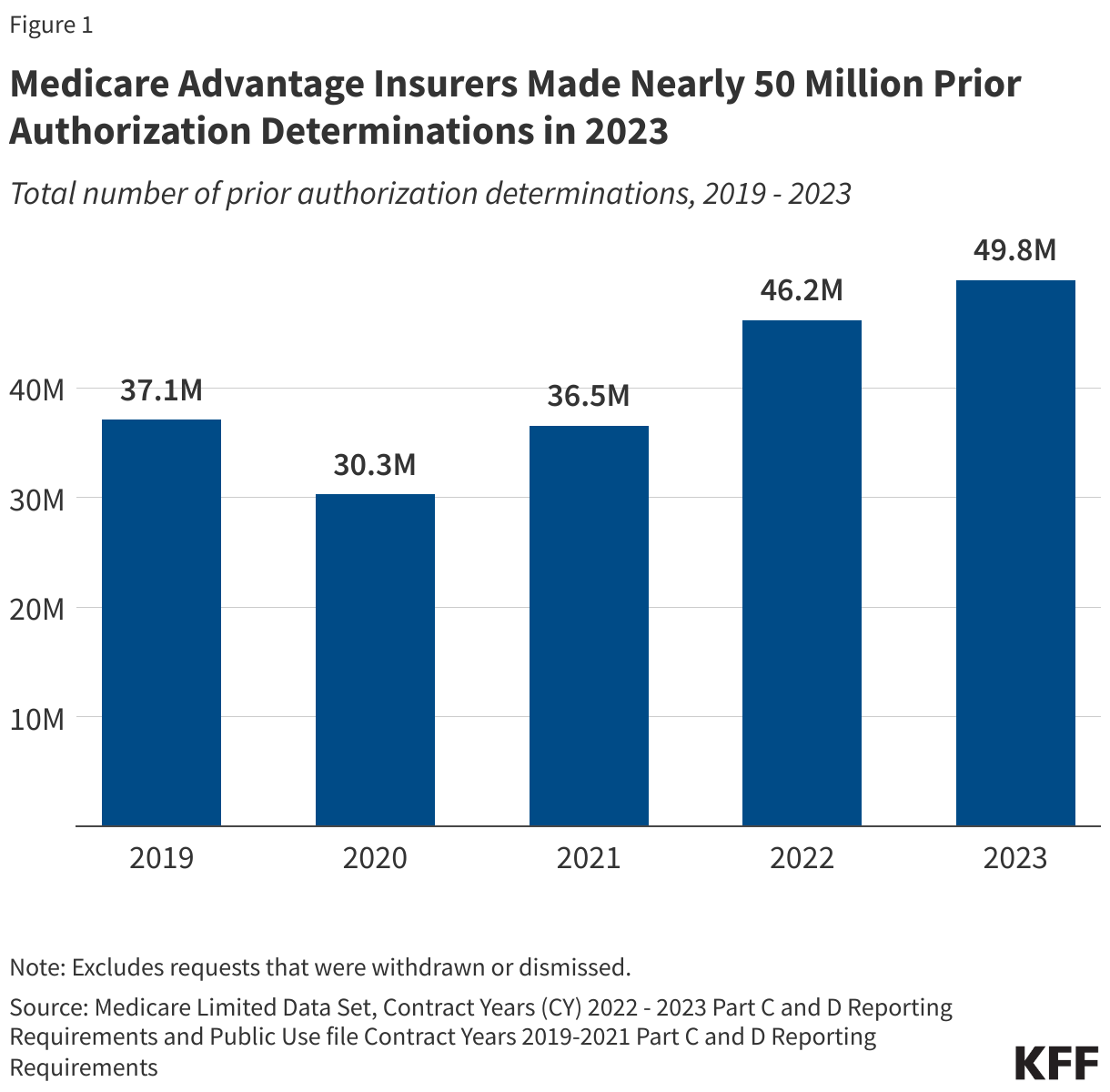
Medicare prior approval is a crucial process that aims to ensure patients receive appropriate healthcare services while managing costs and resources within the Medicare system. With the increasing complexity of medical treatments and the financial implications involved, understanding the prior approval process has never been more relevant for patients, healthcare providers, and policymakers.
What is Medicare Prior Approval?
Medicare prior approval, often referred to as prior authorization, is a procedure that requires healthcare providers to obtain approval from Medicare before performing specific services or prescribing certain medications. This process is designed to verify that the proposed treatment is medically necessary and compliant with Medicare policies.
Recent Developments
As of late 2023, the Centers for Medicare & Medicaid Services (CMS) has intensified its efforts to streamline the prior approval process. Recent announcements emphasize reducing administrative burdens on healthcare providers while ensuring that patients continue to receive necessary care without undue delay. In particular, the CMS is exploring technological advancements to automate the process, allowing for quicker communication between doctors and Medicare. Studies indicate that delays in obtaining prior approvals can negatively impact patient outcomes, underlining the importance of an efficient system.
Impact on Patients and Providers
For patients, the prior approval requirement can often lead to confusion and frustration, particularly when there are delays in receiving the necessary treatments. In 2022, the American Medical Association reported that more than 90% of physicians had encountered difficulties with the prior authorization process, including wait times of several days or even weeks for approvals. These hurdles can lead to postponed treatments and increased anxiety for patients relying on timely care.
Future Outlook
Looking forward, the goal for Medicare is to implement reforms that will simplify the prior authorization process. Advocates are pushing for permanent changes following successful pilot programs that showed significant reductions in processing times. By improving the system, it is expected that both patient satisfaction and health outcomes can be enhanced.
Conclusion
In summary, Medicare prior approval remains a critical aspect of the healthcare landscape, balancing the need for cost control with the necessity of patient care. As we continue to see reforms aimed at optimizing this process, it is essential for both patients and healthcare providers to stay informed. Understanding prior authorization can help patients navigate their healthcare journeys more effectively, ensuring timely access to necessary medical services.