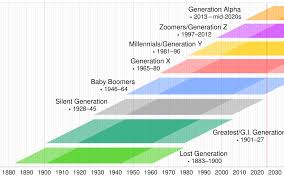
Introduction to Generation X
Generation X, typically defined as individuals born between 1965 and 1980, holds a unique place in the socio-cultural landscape. Often overshadowed by the larger Baby Boomer and Millennial generations, Gen X is now coming into the spotlight due to their distinct characteristics and the crucial role they play in today’s workforce as well as socio-economic trends.
The Defining Characteristics of Generation X
Members of Generation X are known for their independence, adaptability, and skepticism. Having grown up during a time of shifting societal values and economic uncertainty, including the oil crises of the 1970s and the rising prevalence of divorce, they tend to be pragmatic and self-reliant. According to a Pew Research Center study, Gen Xers are also more likely than previous generations to prioritize work-life balance, shaping trends in both corporate culture and family life.
Economic Impact and Professional Landscape
In the current economy, Gen X plays a crucial role. Representing about 25% of the U.S. workforce, this generation is known for their strong work ethic and entrepreneurial spirit. As of 2023, many Gen Xers have moved into leadership positions, offering invaluable insights shaped by their varied experiences in a rapidly changing job market. Their resilience has been particularly evident during economic downturns, as they adeptly navigate and adapt to evolving professional demands.
Challenges Faced by Generation X
Despite their strengths, Generation X faces unique challenges. Many are in the midst of caring for both aging parents and their own children, a phenomenon often referred to as the “sandwich generation.” This dual responsibility has increased stress levels and can lead to financial strain. According to a recent survey conducted by the AARP, nearly 50% of Gen Xers report being concerned about their retirement savings, highlighting a significant financial gap that needs addressing.
Conclusion: The Future of Generation X
As Generation X continues to grow older, their influence on society, culture, and the economy will only expand. Organizations are beginning to recognize the value of hiring and retaining Gen X professionals, who can bridge gaps between older and younger generations. Moving forward, it will be essential for policymakers and businesses to address the challenges faced by this generation, ensuring that their contributions are honored and their needs met. Understanding Generation X is not just an academic exercise; it’s a crucial step in forging a cohesive future for all generations.