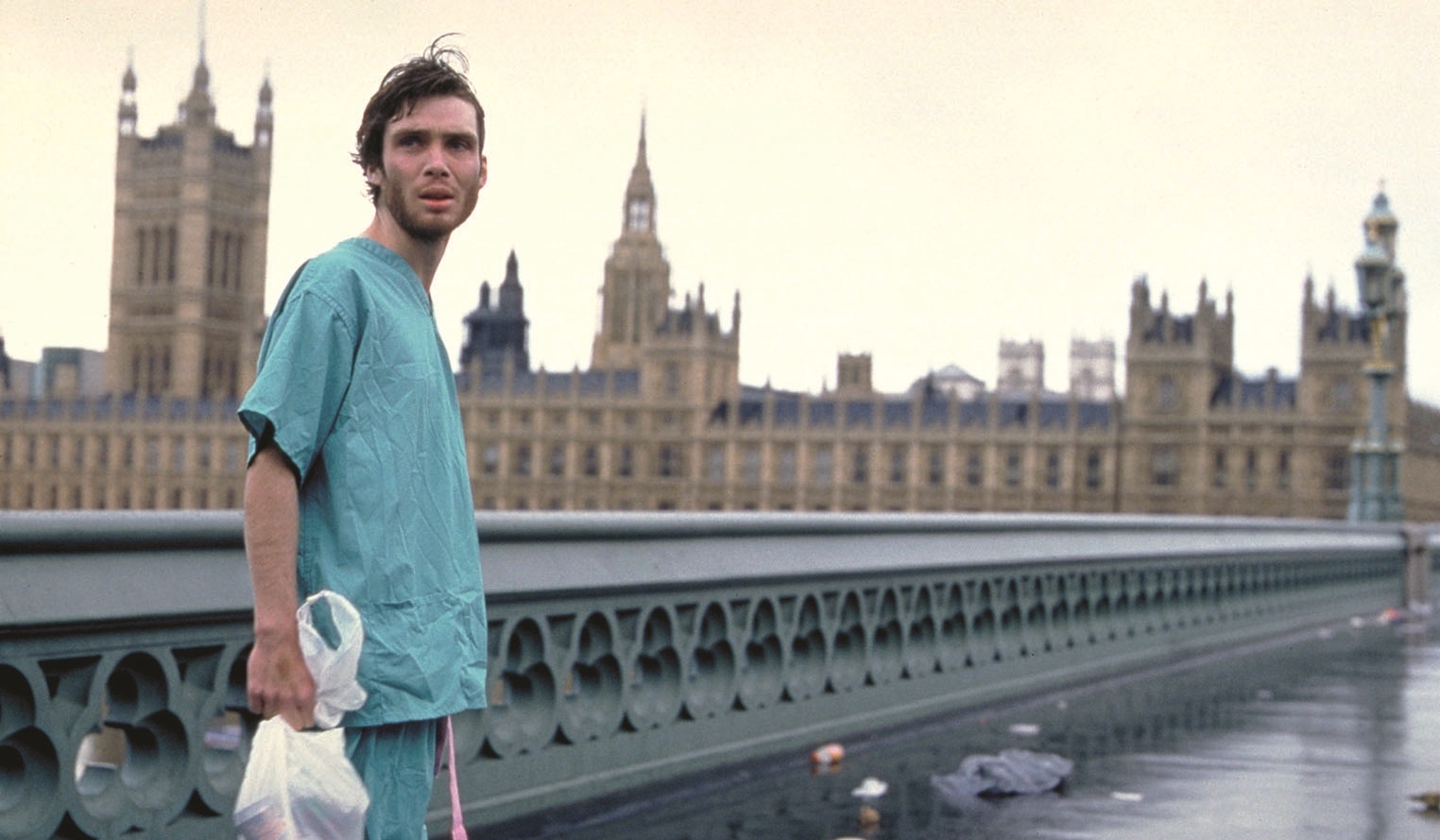
Introduction
Released in 2002, “28 Days Later” is a landmark film that redefined the horror genre, particularly the zombie genre. Directed by Danny Boyle, the film introduced a fresh take on the traditional zombie narrative, incorporating themes of societal collapse, isolation, and human survival. With its gripping storyline and innovative techniques, it not only revitalized interest in zombie films but also influenced a new generation of filmmakers, making it a significant topic of discussion in contemporary cinema.
Film Overview
“28 Days Later” follows the story of Jim, played by Cillian Murphy, who awakens from a coma to discover a post-apocalyptic London devastated by a rage-inducing virus. The film’s use of fast-moving zombies—a departure from the traditional slow-walking undead—was groundbreaking at the time and set the stage for subsequent horror films. The film’s striking visuals and emotional depth resonated with audiences, resulting in both critical acclaim and commercial success. It grossed over $85 million worldwide against a modest budget of $8 million, proving that unconventional horror films could be both impactful and profitable.
Impact on the Genre
The film’s success initiated a resurgence in zombie media, leading to projects like “The Walking Dead” television series and the popular video games “Left 4 Dead” and “Resident Evil.” It helped redefine the portrayal of zombies, shifting the focus from mindless creatures to vehicles of social commentary. Many subsequent films have emulated Boyle’s techniques, such as handheld camera work and minimalistic storytelling, indicating a shift in cinematic approaches to horror. Furthermore, the film’s commentary on government control, human malice, and societal breakdown remains relevant in today’s political climate, prompting discussions about humanity’s resilience under crisis.
Conclusions and Predictions
As we reflect on the legacy of “28 Days Later,” its influence on the horror genre continues to be felt. Its success has paved the way for fresh narratives and innovative styles in zombie-related media, ensuring that the genre evolves while addressing complex themes. Looking ahead, as the world faces global crises, audiences may see a resurgence in stories similar to “28 Days Later,” reflecting societal fears and hopes. Its blend of horror and social critique remains a powerful tool for filmmakers in exploring the human condition, underscoring the film’s significance in both cinema and cultural discussions.