Introduction
“Friday Night Lights” has become synonymous with high school football in America, highlighting the profound relationship between sports and community. Originally a book by H.G. Bissinger, it was adapted into a celebrated film and later transformed into a critically acclaimed television series. This saga not only entertained millions but also sparked conversations about race, identity, and the pressures of adolescence in small-town America.
The Rise of Friday Night Lights
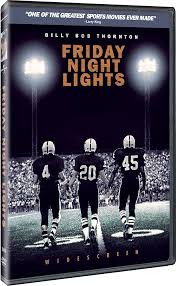
First published in 1990, Bissinger’s “Friday Night Lights” offered a poignant look at the 1988 Permian High School Panthers in Odessa, Texas. The book’s success led to the 2004 film, featuring actors like Billy Bob Thornton and Lucas Black, which brought the story to the big screen. However, it was the subsequent television series, which aired from 2006 to 2011 on NBC, that solidified its status as a cultural touchstone. The series received numerous accolades, including Emmy Awards, and introduced audiences to a compelling narrative that explored the lives of the characters both on and off the field.
Why It Matters
“Friday Night Lights” resonates with viewers for its unflinching portrayal of the highs and lows experienced by teenage athletes. While celebrating the thrill of victory and the agony of defeat, it also tackles serious issues such as economic hardship, addiction, and racial tensions. The show’s approach to these topics has left a lasting impression on both fans and critics, prompting discussions about the role of sports in shaping individual and community identities.
Current Relevance
In recent years, the themes explored in “Friday Night Lights” have gained renewed significance. High school sports continue to play a pivotal role in American communities, and the pressures faced by young athletes have only intensified in the age of social media. The influence of the show has permeated beyond entertainment, impacting how sports culture is represented in various media forms. Recent initiatives in youth sports safety and mental health have drawn on the narratives depicted in series like “Friday Night Lights,” showing that its influence still shapes contemporary discussions.
Conclusion
The legacy of “Friday Night Lights” endures as a reflection of American values and the complexities faced by young adults in competitive environments. As communities grapple with changing societal norms and expectations, the lessons drawn from the series remain pertinent. While high school football may not change, the stories and themes reflected in “Friday Night Lights” will continue to echo in the hearts of fans, prompting them to consider not just the game, but the lives intertwined with it.