Introduction
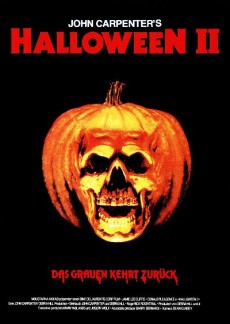
Halloween 2, released in 1981, remains a pivotal entry in the horror genre, building upon the legacy established by its predecessor, the original Halloween from 1978. Directed by Rick Rosenthal and produced by John Carpenter, the film not only continued the story of Michael Myers’s relentless pursuit of Laurie Strode but also cemented the tropes that define slasher films. Its importance lies in its contribution to horror cinema, influencing countless sequels, reboots, and the evolution of the genre as we know it today.
Details of Halloween 2
The narrative picks up immediately after the events of the first film, maintaining a suspenseful and chilling atmosphere. Set in a hospital, where Laurie is recuperating from her wounds, Michael Myers stalks her through the sterile halls, integrating a psychological horror aspect with physical threats. This setting contrasted the suburban streets of Haddonfield, adding a new layer of claustrophobia to the film.
Halloween 2 introduced viewers to iconic moments, such as the infamous hospital chase scenes that keep the audience on edge. The film’s success at the box office, grossing approximately $25 million against its $2.5 million budget, demonstrated a strong audience appetite for slasher films, further solidifying the Halloween franchise as a dominant force in horror.
Significance and Cultural Impact
The film not only expanded the Halloween lore but also introduced the concept of ‘slasher sequels’ that would soon become a hallmark of the genre. Halloween 2 featured notable elements such as increased gore that was not present in its predecessor, while still preserving the suspense and scares that made the original a classic. Its balance between horror and gore has influenced other franchises, such as Friday the 13th and A Nightmare on Elm Street.
Moreover, the film’s narrative themes of fear, trauma, and survival resonate with audiences even today, making it a subject of analysis in academic discussions about horror films. Women as survivors and their portrayal in horror films gained traction, largely attributed to Laurie Strode’s character, who evolved from a victim to a fighter.
Conclusion
As viewers celebrate the Halloween season, Halloween 2 often revisits its fans as a hallmark of classic horror cinema. Its impact extends beyond mere entertainment—it serves as an artifact of the era that shaped contemporary slasher films. With Halloween’s rebirth in recent years through new films and adaptations, the original sequels like Halloween 2 continue to remind audiences of the franchise’s legacy. Horror enthusiasts and casual viewers alike will find that the timeless appeal of this film adds to the rich tapestry of the genre and influences future filmmakers for years to come.