Introduction
Tim Berners-Lee, a name synonymous with the advent of the World Wide Web, is considered one of the most significant figures in the digital age. His invention has transformed communication, commerce, and information sharing on a global scale. As the internet continues to evolve, understanding Berners-Lee’s vision and contributions remains crucial for both technological advancements and societal implications.
The Birth of the World Wide Web
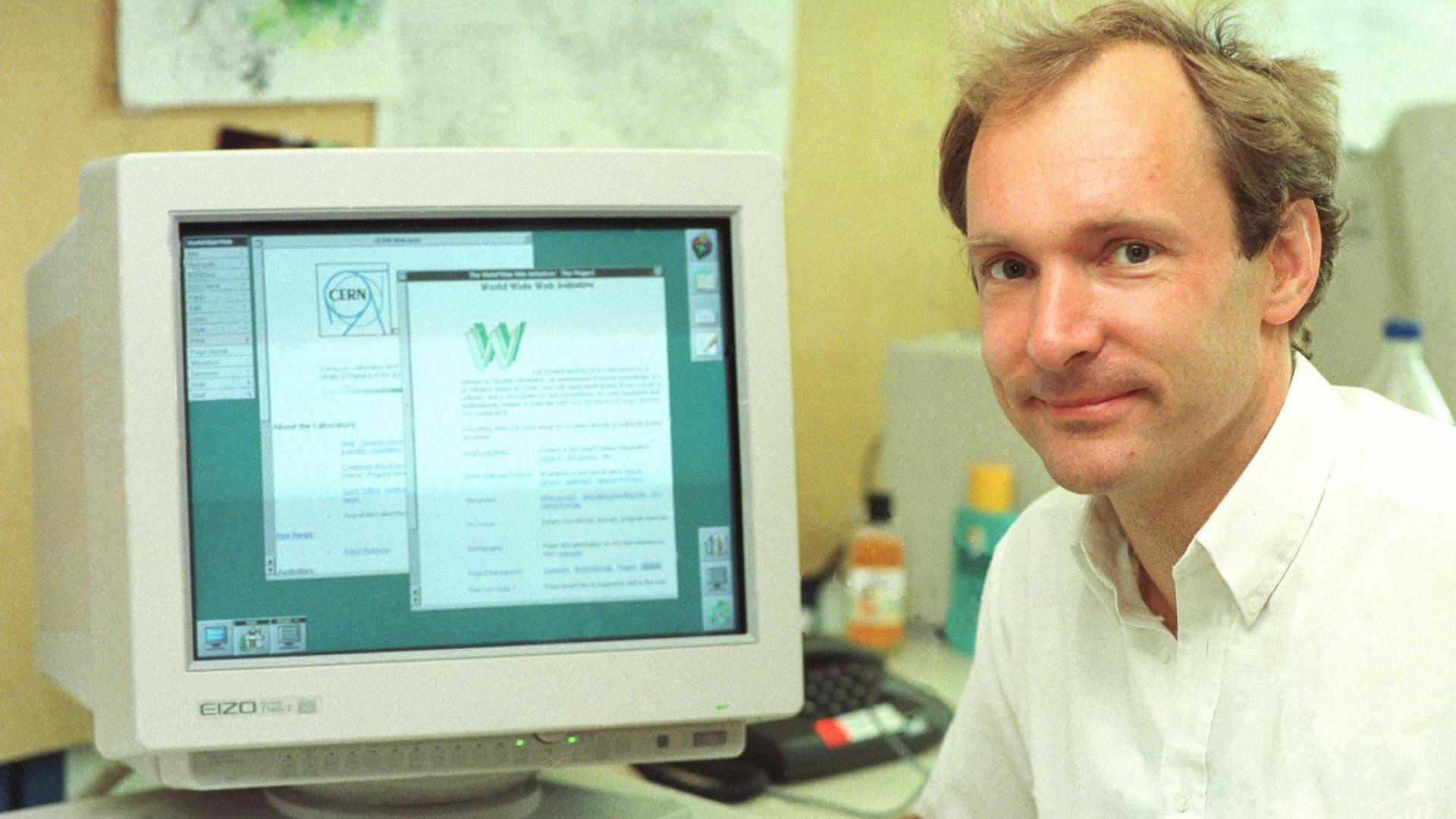
In 1989, while working at CERN (the European Organization for Nuclear Research), Tim Berners-Lee proposed a system to facilitate information sharing across the globe. By 1991, he had created the first webpage and the first web browser, effectively laying the groundwork for what would become the modern internet. His vision was clear: a universal medium for sharing information that was not limited to one device or platform.
Key Contributions and Innovations
Berners-Lee introduced several fundamental concepts such as URLs (Uniform Resource Locators), HTTP (Hypertext Transfer Protocol), and HTML (Hypertext Markup Language). These technologies form the backbone of the web. In 1993, he released the source code for the Web, making him an advocate for an open and accessible online space. His belief in free access to knowledge has led to his ongoing mission to keep the web open and neutral.
Recent Developments and Future Vision
In recent years, Berners-Lee has become increasingly vocal about the challenges facing the internet, including issues of privacy, data ownership, and misinformation. He launched the Solid project in 2018, which aims to reshape how web applications work, giving individuals ownership of their data instead of allowing corporations to control it. This project reflects his belief in a web that serves humanity’s best interests.
Significance for Readers
Understanding Tim Berners-Lee’s contributions helps readers appreciate the complexity and potential of the internet. As technology continues to evolve, it is crucial to advocate for a digital landscape that is ethical, accessible, and beneficial for all. Berners-Lee’s work serves as a reminder that the internet is a powerful tool that should promote sharing and collaboration rather than division and exploitation.
Conclusion
Tim Berners-Lee’s legacy as the father of the World Wide Web is not just about the technologies he created, but also about his vision for a fairer and more open internet. As we advance into an increasingly digital world, reflecting on his contributions and mission is vital for fostering an internet that aligns with societal values and ethics. Moving forward, we should strive to maintain the principles that Berners-Lee established, ensuring that the web remains a space for all.