Introduction
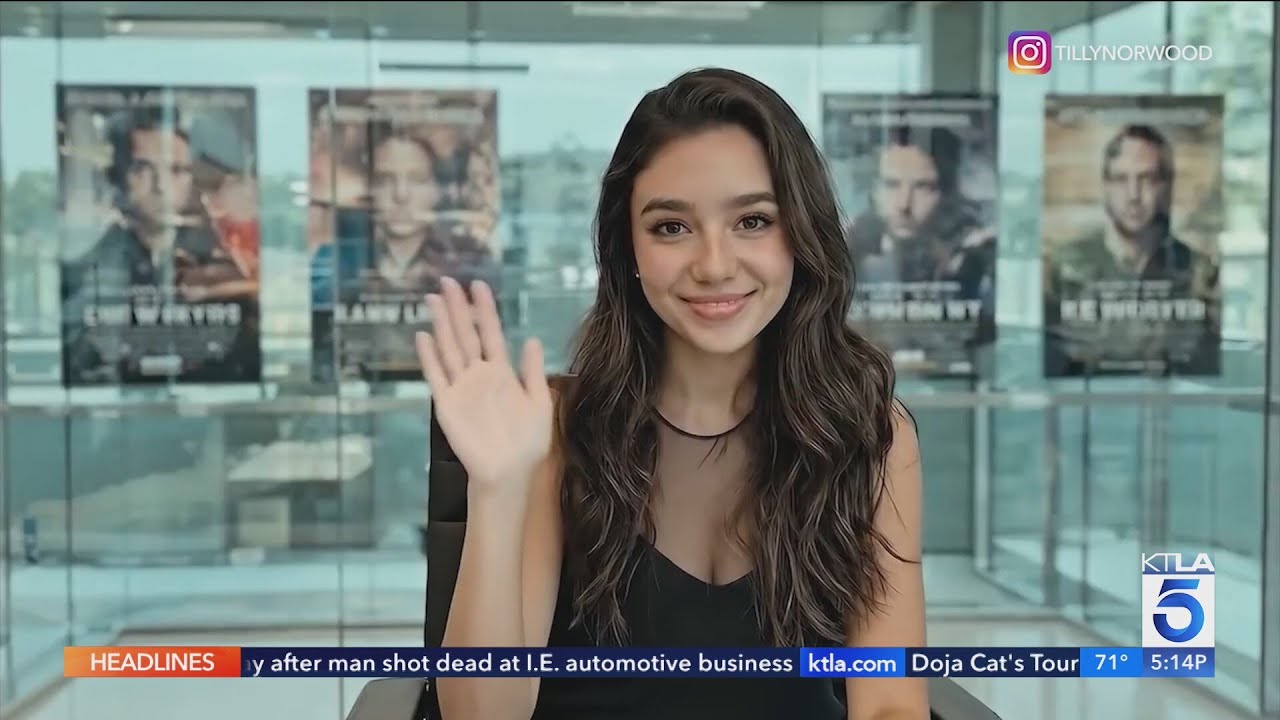
The proliferation of artificial intelligence (AI) has reached unprecedented levels in various industries, with one of the most fascinating developments being the emergence of AI actresses. These digital beings are crafted using advanced algorithms and deep learning techniques, enabling them to perform roles in movies, television, and advertisements. Their rising popularity is prompting a reevaluation of traditional acting norms and presenting exciting opportunities while also raising significant ethical questions.
The Technology Behind AI Actresses
AI actresses are not merely computer-generated images; they combine sophisticated motion capture with machine learning capabilities. These technologies allow for the simulation of human emotions and reactions, creating an illusion of real-life performance. Start-ups like Synthesia and companies like NVIDIA are leading the charge, creating hyper-realistic virtual actors. For instance, AI actress “Shudu” gained wide recognition for her striking resemblance to a human model, blurring the lines between human performers and digital personas.
Impact on the Film and Television Industry
The impact of AI actresses on the film and television industry is transformative. They provide a cost-effective solution for filmmakers, eliminating expenses related to human actors, such as salaries, insurance, and accommodations. Additionally, AI actresses can be programmed to perform stunts or act in hazardous situations without real-life risks. High-profile projects, such as the recent AI-led short film, “The Last Singularity,” have demonstrated the potential of AI actresses to engage global audiences, paving the way for broader acceptance within the industry.
Ethical Considerations and Future Prospects
While the technology presents myriad advantages, it raises essential ethical considerations. Critics argue that AI actresses might threaten job security for human actors and contribute to an increasingly digital landscape that might lose the emotional depth afforded by real human performances. Furthermore, concerns about consent, copyright laws, and the proliferation of digital replicas of famous actors add complexity to this debate.
Conclusion
The emergence of AI actresses stands at the forefront of a significant shift in the entertainment industry, introducing new possibilities while challenging conventional paradigms. As AI technology continues to evolve, it will be crucial for creatives and policymakers alike to navigate the fine balance between innovation and ethical considerations. The future of AI actresses promises to be exciting yet complex, inviting us all to reimagine what acting means in a digital age.