Introduction
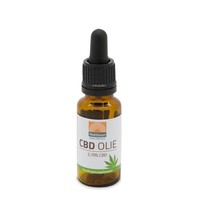
In recent years, CBD, or cannabidiol, has gained significant popularity as a natural remedy for a variety of health issues. Extracted from the cannabis plant, CBD is non-psychoactive, meaning it does not produce the “high” associated with marijuana. Its increasing acceptance in wellness and medicinal circles makes understanding its benefits, risks, and the evolving legal landscape essential for consumers.
The Benefits of CBD
Research indicates that CBD may help alleviate conditions such as chronic pain, anxiety, and epilepsy. A landmark study published in 2019 in the journal Frontiers in Pharmacology found that CBD demonstrated promising anti-inflammatory properties, leading to potential use for chronic pain management. Additionally, CBD is widely recognized for its effects in reducing anxiety – a study in The Permanente Journal reported that CBD significantly reduced anxiety scores in 79% of participants.
Current Events and Legal Landscape
As of 2023, the U.S. Food and Drug Administration (FDA) has yet to regulate CBD products thoroughly, resulting in a diverse marketplace ranging from oils, edibles, to topical solutions. In a recent statement, the FDA emphasized the need for more research to understand CBD’s safety and effectiveness. Some states have instituted their own regulations, adding to consumer confusion. A survey conducted by the Brightfield Group revealed that nearly 60% of CBD users are unaware of their products’ legal status in their state.
Potential Risks
While many users report positive effects, CBD is not without risks. Side effects can include drowsiness, gastrointestinal discomfort, and potential interactions with other medications. In 2021, the World Health Organization (WHO) stated that CBD is generally well-tolerated, but caution is advised. As with any supplement, it is crucial for individuals to consult with healthcare professionals before starting CBD, especially if they are taking other medications.
Conclusion
The CBD market’s rapid growth reflects a significant shift in public perception and potential uses for wellness and medical purposes. However, consumers must remain informed and cautious, as insufficient regulation leaves room for misinformation and unsafe products. Moving forward, ongoing research and potential FDA regulations may clarify the safety, efficacy, and best practices for CBD usage. For readers, understanding both the benefits and risks of CBD is essential in making informed choices about this popular compound.