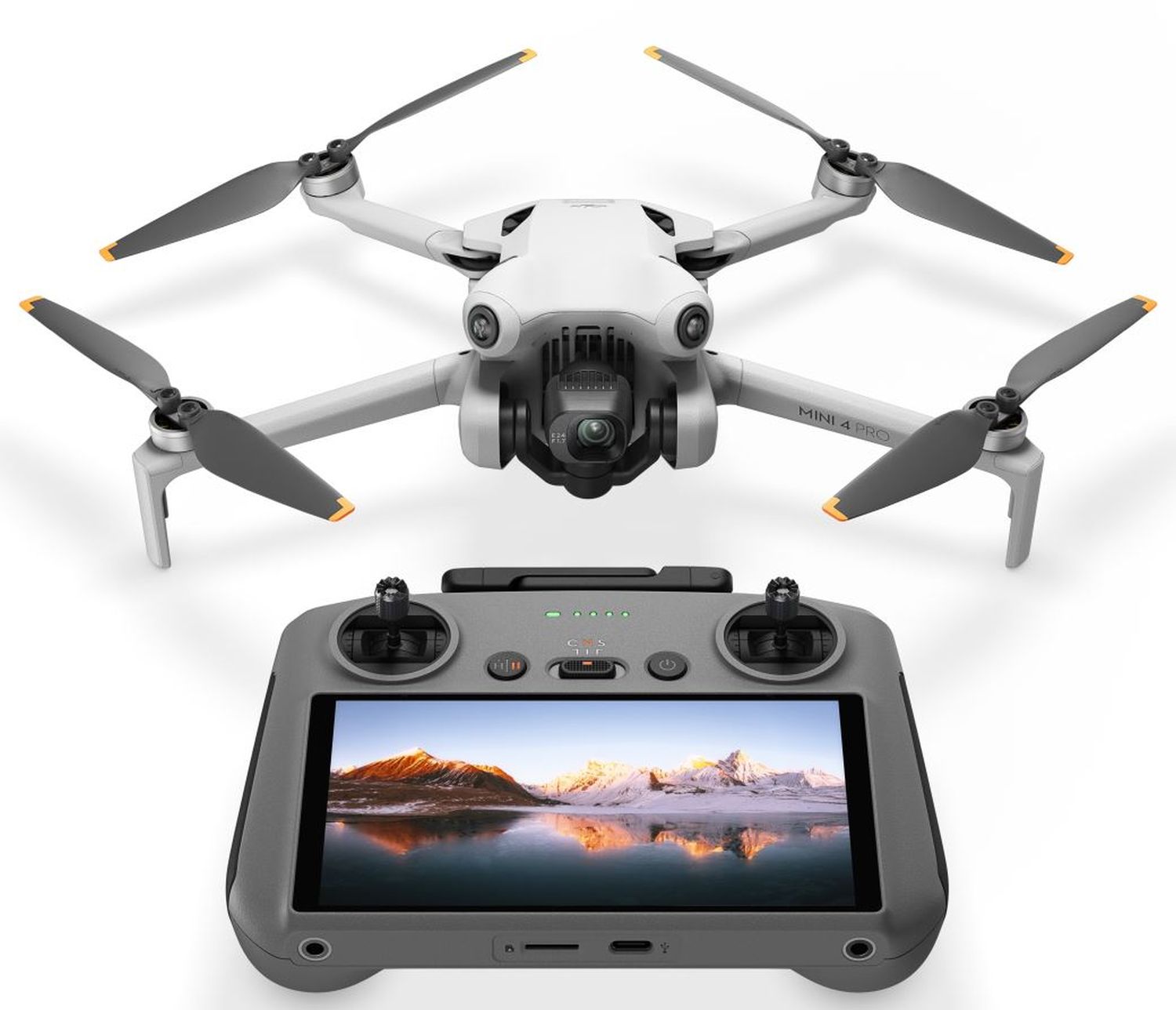
Introduction
DJI, or Da-Jiang Innovations Science and Technology Co., Ltd., has emerged as a dominant force in the drone technology sector. Founded in 2006 in Shenzhen, China, DJI has transformed the way we view and interact with aerial imagery and robotics. The significance of DJI’s advancements goes beyond just consumer drones; the company has shaped industries such as agriculture, film production, and emergency services with its cutting-edge technology, making it a vital player in both the tech world and our everyday lives.
Recent Developments
As of 2023, DJI has announced several new products that are set to revolutionize the drone industry further. The launch of the DJI Mavic 3 Pro and the DJI Avata has garnered significant attention, known for their advanced imaging capabilities and enhanced flight stability. Additionally, DJI’s ongoing collaborations with industries such as cinematography and agriculture highlight the versatility and adaptability of its technology. For instance, the new drones come equipped with intelligence features that enhance aerial surveying, mapping, and precision agriculture, allowing farmers to monitor crops more effectively and make data-driven decisions.
Impact on the Industry
DJI’s influence is felt across multiple sectors. In entertainment, filmmakers are increasingly relying on DJI drones to capture breathtaking aerial shots, which has led to a boom in cinematic quality. The agriculture sector also benefits from DJI’s technology—farmers use drones for real-time crop analysis and management, leading to more sustainable practices. In emergency response, drones equipped with thermal imaging have become invaluable tools for search and rescue operations, providing responders with rapid assessments in critical situations.
Challenges and Competition
Despite its success, DJI faces ongoing challenges, including regulatory scrutiny and competition. As governments tighten drone regulations to address safety and privacy concerns, DJI must navigate these hurdles to maintain its market position. Furthermore, new players in the drone space are emerging, each seeking to carve out a niche in areas such as package delivery and urban air mobility, which may challenge DJI’s dominance.
Conclusion
DJI remains at the forefront of drone technology, with continuous innovation and strategic partnerships that bolster its market leadership. The future holds great promise, with potential advancements in artificial intelligence integration and expanded capabilities for drones. As DJI continues to evolve, its impact on various industries and everyday consumers will undoubtedly grow, solidifying its status as a trailblazer in the world of aerial technology.