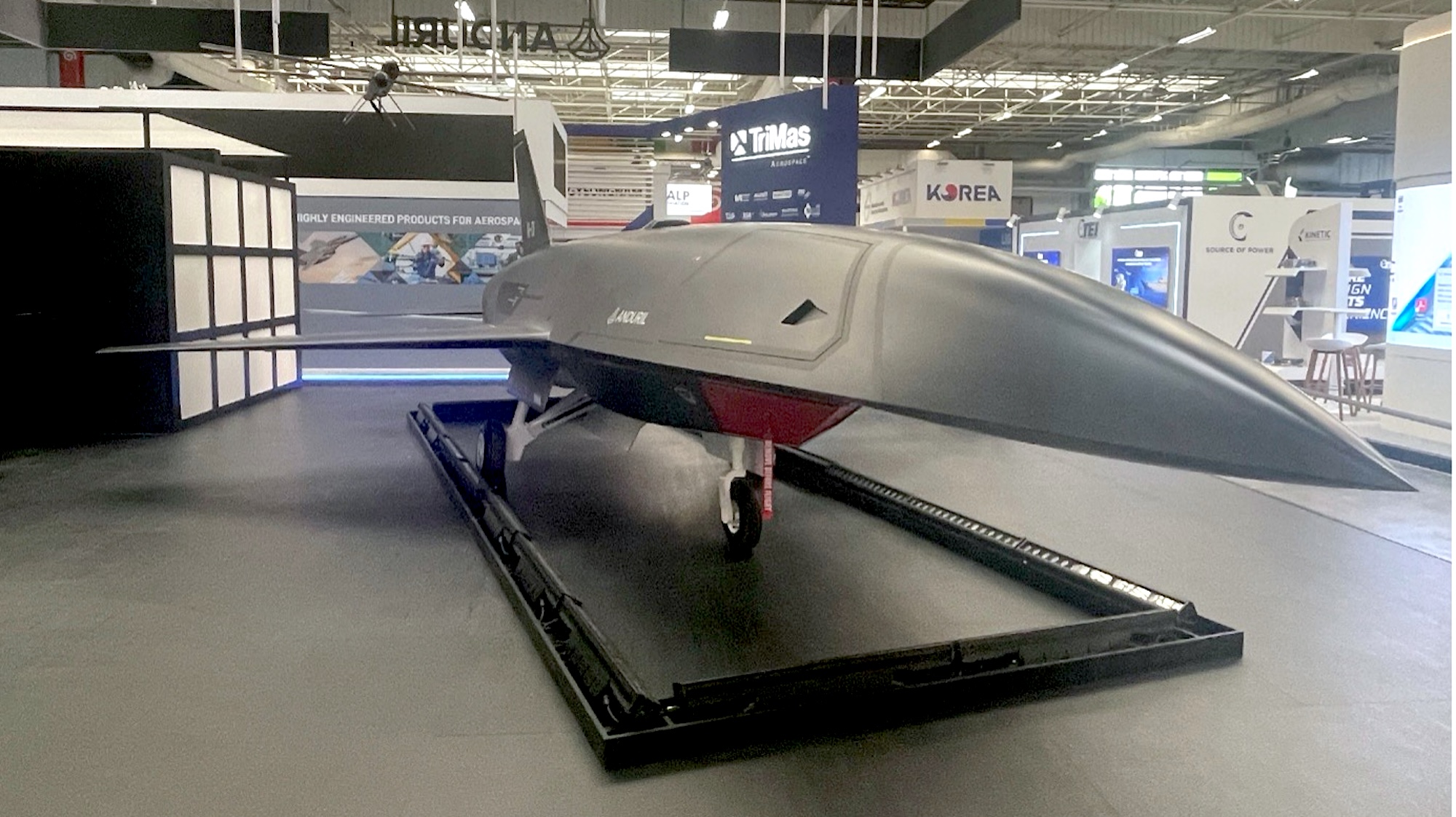
Introduction to Drones
Drones, also known as unmanned aerial vehicles (UAVs), have become increasingly important in various sectors, including agriculture, delivery services, photography, and even public safety. Their ability to perform tasks more efficiently and cost-effectively makes them a significant innovation in today’s technologically advanced society. As companies and governments explore the potential of drones, understanding their applications and implications becomes essential for consumers and policymakers alike.
Recent Developments and Applications
According to a report by the Federal Aviation Administration (FAA), the number of registered drones in the United States has skyrocketed to over 1.7 million by the end of 2022. This growth reflects broader trends as industries begin to integrate drone technology into their operations. For instance, in agriculture, drones are utilized for crop monitoring, irrigation management, and even pest control. The use of aerial imagery allows farmers to make informed decisions about crop health, ultimately increasing yield and efficiency.
Moreover, large companies like Amazon and UPS are making headlines with their pilot projects for drone deliveries, promising faster shipping and reduced transportation costs. For instance, Amazon’s Prime Air aims to deliver packages to customers within 30 minutes using drones, a vision that could redefine logistics and customer satisfaction in e-commerce.
Drones in Emergency Response and Public Safety
Drones are also playing a vital role in emergency response. During natural disasters, drones can assist in search and rescue operations, providing real-time data to responders about affected areas. Furthermore, they can help assess damage in hard-to-reach locations, accelerating recovery efforts. As seen during recent hurricanes and wildfires, drone technology has proven invaluable in identifying hotspots and hazards, allowing first responders to act swiftly.
Future Outlook and Regulations
While the benefits of drone technologies are substantial, challenges persist, particularly in regulation and privacy concerns. As drone use increases, the FAA has started implementing stricter guidelines to ensure safety in airspace. Future regulations will likely focus on enhancing the integration of drones into urban environments while addressing privacy and security issues related to surveillance.
Conclusion
As drones continue to evolve and become more accessible, their impact on various sectors and everyday life is undeniable. With advancements in technology and a commitment to addressing safety and privacy concerns, the future of drones looks promising. Consumers and businesses alike should stay informed about trends in drone technology to harness its benefits effectively and responsibly as these devices become an even more integral part of everyday life.