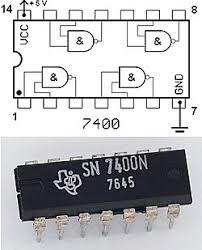
Introduction
In today’s fast-paced digital landscape, chips are the unsung heroes that power a vast array of electronic devices, from smartphones and laptops to automobiles and household appliances. As technology continues to evolve, the importance of chip technology cannot be overstated. Not only do these small yet powerful components dictate the performance and efficiency of devices, but they also play a crucial role in global supply chains, impacting industries and economies around the world.
Current State of Chip Technology
The semiconductor industry has seen groundbreaking advancements over the past few years. According to the Semiconductor Industry Association (SIA), global semiconductor sales reached $555.9 billion in 2021, demonstrating a robust demand driven by factors such as artificial intelligence, 5G technology, and the Internet of Things (IoT). Companies like Intel, TSMC, and NXP are at the forefront of chip development, investing heavily in research and innovation to meet the increasingly complex demands for higher performance and lower power consumption.
Supply Chain Crises and Their Impact
However, the chips sector has also been hit hard by recent supply chain disruptions, particularly exacerbated by the COVID-19 pandemic. The global chip shortage, which began in 2020, has affected various industries, including automotive and consumer electronics, leading to production delays and increased prices. Major automotive manufacturers like Ford and General Motors reported significant loss of revenues due to production halts caused by chip shortages. Ford announced a loss of around $2.5 billion and expected it to continue impacting operations throughout 2023.
Future Trends and Developments
As we look toward the future, the chip industry is poised for transformation. The ongoing exploration of advanced manufacturing techniques, like 3D stacking and quantum computing, suggests that chips will become more powerful and efficient. Furthermore, governments around the world are recognizing the strategic importance of semiconductor manufacturing, leading to initiatives aimed at bolstering local production capabilities, especially in the United States and Europe.
Conclusion
In conclusion, chip technology is integral to modern electronics and its significance continues to grow. As innovations unfold and challenges arise within supply chains, consumers and businesses alike should be aware of how these changes will influence the devices they rely on. Investment in chip technology is not just about staying competitive—it’s essential for future-proofing industries in an increasingly digital world. As we march into a new era of technology, understanding chips and their implications will be crucial for navigating this landscape.