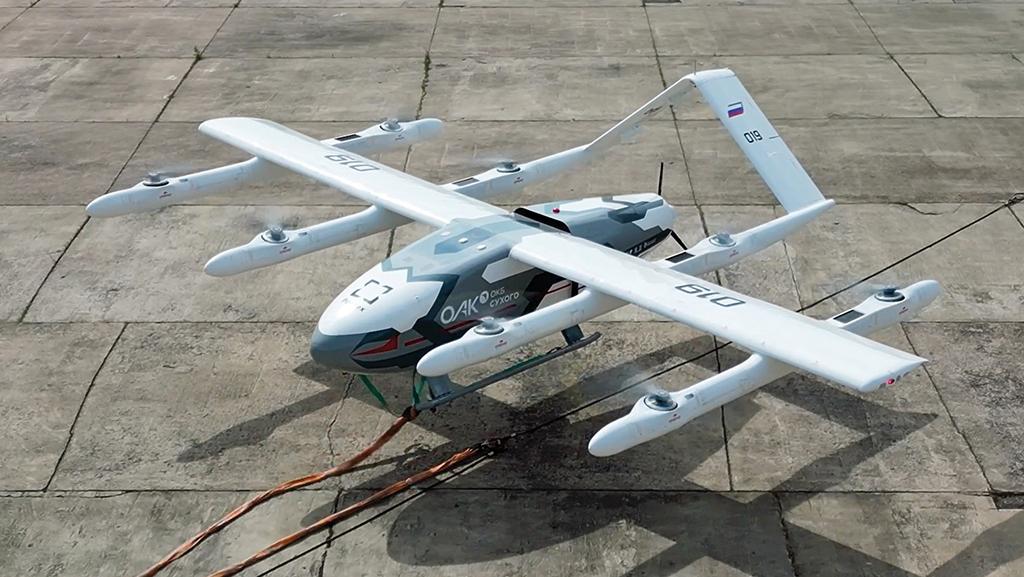
Introduction
The use of drones in military operations has reshaped the landscape of modern warfare, and Russian drones are at the forefront of this evolution. As the world witnesses increasing tensions and conflicts, understanding the capabilities and impact of these unmanned aerial vehicles (UAVs) is crucial for policymakers, military strategists, and the general public. In recent conflicts, particularly the ongoing war in Ukraine, Russian drones have played a pivotal role, challenging traditional combat strategies and raising significant implications for global security.
Capabilities of Russian Drones
Russian drone technology has seen substantial advancements, with various types being deployed in combat zones. The Orlan-10, a reconnaissance UAV, has been instrumental in gathering intelligence and conducting surveillance over enemy positions. In contrast, the larger, combat-oriented Shahed-136 drones, known for their kamikaze capabilities, have been employed for direct attacks against critical infrastructure and military targets.
These drones are not only valuable for reconnaissance but also for precision strikes, capable of carrying explosive payloads that enhance the lethality of air operations. Their integration into broader military strategies demonstrates Russia’s commitment to leveraging technological advancements in warfare, reflecting a shift from traditional ground and air operations to integrated drone warfare.
Recent Events and Implications
Throughout 2023, the increased use of Russian drones has heightened concerns over escalation in the Ukraine conflict. Ukrainian forces report that these UAVs have been responsible for significant damage to civilian and military assets, complicating defensive capabilities. The constant threat posed by drones has forced Ukraine and its allies to adapt their strategies, focusing on enhancing air defense systems and counter-drone technologies.
The international response to the proliferation of Russian drones has also evolved. NATO countries have started to invest significantly in drone detection and interception solutions, recognizing the crucial role that UAVs play in modern conflict. Moreover, the technology used in these drones can easily be replicated or modified, raising concerns about proliferation to non-state actors and other nations, further complicating global security landscapes.
Conclusion
The significance of Russian drones in contemporary military operations cannot be understated. Their impact on the tactical and strategic dimensions of warfare is evident, particularly in the ongoing Ukraine conflict. As the global security environment continues to evolve, it is essential for nations to evaluate the implications of drone warfare, ensuring that countermeasures keep pace with technological advancements. The future of military engagements will likely see an increasing reliance on drones, necessitating ongoing analysis and adaptation by all involved parties.