Introduction
The question of whether life exists or has ever existed on Mars has captured the imagination of scientists and the public alike for decades. Recent findings from NASA’s Perseverance rover and other missions have reignited excitement and investigation into the possibility of microbial life on our neighboring planet. The relevance of this research extends beyond simple curiosity as it could reshape our understanding of life’s potential across the universe.
Recent Discoveries
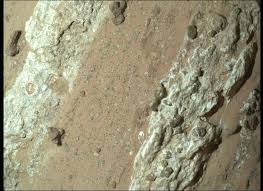
NASA’s Perseverance rover has been collecting soil samples in the Jezero Crater, an ancient lakebed where conditions may have been suitable for life billions of years ago. In 2023, scientists reported the detection of organic molecules in the Martian soil, believed to be the building blocks of life. While organic molecules themselves do not confirm the existence of life, they offer vital clues regarding past biological processes on the planet.
Additionally, the Curiosity rover has revealed data indicating the presence of seasonal methane emissions, which have been linked to potential biological activity. NASA’s data suggests that these emissions may fluctuate with Martian seasons, hinting at possible subsurface microbial life bursting to the surface intermittently.
Implications for Exploration
These findings have profound implications for future Mars exploration missions. Not only do they underscore the importance of continued research on Mars, but they also set the stage for future human exploration. The possibility of finding life, or evidence of past life, strengthens the argument for sending humans to Mars to conduct more in-depth examinations.
The European Space Agency’s ExoMars mission, set for launch in 2028, aims to drill deeper into the Martian surface than ever before, seeking further evidence of past microbial life. This mission, combined with findings from Perseverance and Curiosity, could bring us closer to answering the eternal question of whether we are alone in the universe.
Conclusion
The exploration of Mars has always been about more than just geology and climate; it has been, at its core, about understanding our place in the cosmos. The revelations from ongoing Mars missions highlight the growing evidence that, in some form, life may have once existed on this red planet. As we advance our technology and deepen our understanding of Mars, we inch closer to one of humanity’s greatest questions. The hunt continues, and with each passing mission, we may be closer than ever to discovering whether life found a way on Mars.