Introduction
The Farmers Almanac has been a trusted source for weather forecasts since it was first published in 1792. Known for its long-range weather predictions, this publication is especially significant for farmers, outdoor enthusiasts, and anyone planning seasonal activities. As weather patterns continue to shift due to climate change, understanding and relying on forecasts from institutions like the Farmers Almanac becomes increasingly relevant for various sectors, including agriculture.
Current Weather Trends from the Farmers Almanac
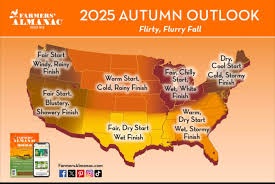
In its latest edition, the Farmers Almanac has made specific predictions for different regions of the United States. According to the 2024 forecast, the Northeastern states should brace for a colder winter with above-average snowfall, while the southern regions might experience milder temperatures with occasional rain. These forecasts are based on a blend of astronomical data and historical weather patterns, an approach that has proven reliable over the decades.
Impact on Agriculture
For farmers, the information from the Farmers Almanac is critical. Early predictions regarding frost dates, storm conditions, and seasonal temperatures can inform planting and harvesting schedules. With climate shifts leading to unpredictability in weather patterns, farmers rely on the Almanac to mitigate risks. For instance, an expected late spring freeze can prompt farmers to delay planting, potentially saving crops that could have been lost otherwise.
Farmers Almanac and Outdoor Activities
In addition to agriculture, the Farmers Almanac’s forecasts are vital for outdoor enthusiasts. Whether planning a camping trip or a winter sports adventure, individuals and groups look to the Almanac for reliable weather insights. These predictions not only influence personal plans but also affect local businesses that thrive on seasonal tourism, highlighting the far-reaching effects of weather forecasting.
Conclusion
As weather patterns continue to evolve, the Farmers Almanac remains a lifeline for many, providing forecasts that help individuals and industries prepare for changing conditions. While no forecast can guarantee absolute accuracy, the combination of tradition and data provides a solid foundation for decision-making. Moving forward, the relevance of the Farmers Almanac will likely grow as climate change continues to reshape weather patterns across the globe, making it an essential resource for future planning.