Introduction
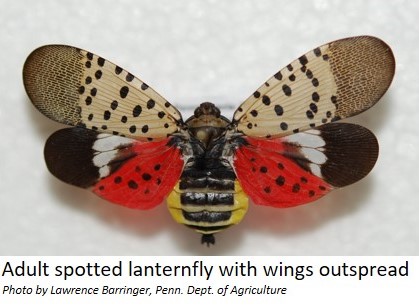
The spotted lanternfly (Lycorma delicatula), an invasive insect native to Asia, has emerged as a significant agricultural pest across the United States since its discovery in Pennsylvania in 2014. Its potential to cause severe economic losses to crops, particularly to the grape, apple, and hardwood industries, makes it a topic of great concern for farmers, policymakers, and citizens alike. Understanding the impact, spread, and control measures for the spotted lanternfly is crucial in mitigating its devastation.
Spread and Lifecycle
The spotted lanternfly primarily spreads through its egg masses, which resemble mud and can easily be overlooked by the untrained eye. Each female can lay up to 50 eggs, leading to rapid population increases in infested areas. The pest goes through several development stages: from egg to nymph, and then to an adult, typically seen from mid-summer. As they feed on the sap of plants, they excrete a sticky substance known as honeydew, which attracts other pests and leads to sooty mold, adversely affecting plant health.
Economic Impact
The economic ramifications of the spotted lanternfly invasion are alarming. According to a report by Penn State Extension, the pest could cost the U.S. economy over $300 million annually due to crop damage and management costs. New Jersey agriculture, particularly the state’s wine and fruit industries, has reported significant reductions in yields, prompting increased calls for immediate action. State governments have instituted various quarantine measures to curb the infestation’s spread, creating additional challenges for businesses and agricultural practices.
Management and Control Efforts
Efforts to manage the spotted lanternfly population have seen a combination of chemical and cultural controls. Pennsylvania and New Jersey have set up extensive public awareness campaigns to inform citizens about identifying and reporting the pest. Insecticide applications are encouraged in high-risk areas to manage populations effectively. These initiatives highlight the importance of community involvement in reducing the impact of this invasive pest.
Conclusion
The spotted lanternfly serves as a stark reminder of the threat posed by invasive species to local economies and ecosystems. Ongoing education and cooperative management strategies among agricultural sectors and the general public are necessary to combat its spread effectively. As the situation evolves, staying informed and vigilant will be crucial for safeguarding the nation’s agricultural interests and ensuring the health of our ecosystems as we confront this growing challenge.