Introduction
Charcot Marie Tooth (CMT) disease is a group of inherited disorders that affect the peripheral nerves, causing muscle weakness and sensation loss. With over 2.6 million people affected globally, understanding CMT’s significance and recent advancements in treatment is crucial for patients and families dealing with this challenging neuropathy.
Overview of Charcot Marie Tooth Disease
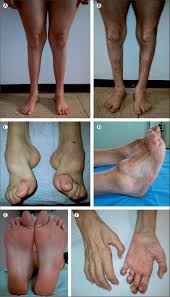
CMT was named after Jean-Martin Charcot, Pierre Marie, and Howard Henry Tooth, who first described the condition in the late 19th century. It encompasses a range of genetic disorders that lead to the degeneration of peripheral nerves, primarily impacting mobility. Symptoms typically include muscle weakness, foot deformities, and difficulty in balancing.
Recent Developments in Research
In recent years, significant research has been conducted to better understand the genetic underpinnings of CMT. The most common form, CMT1A, is caused by a mutation in the PMP-22 gene. Recent gene therapy advancements aim to address this mutation directly, offering hope to those affected. Moreover, scientists are exploring potential drugs aimed at enhancing nerve regeneration and functionality.
Current Treatments and Management
There is no cure for Charcot Marie Tooth disease, but management strategies can help improve the quality of life. Physical therapy, occupational therapy, and orthopedic interventions such as braces can alleviate symptoms and enhance mobility. Furthermore, the use of adaptive devices has gained traction to assist individuals in maintaining independence.
The Role of Support Networks
Support networks such as the Charcot-Marie-Tooth Association play a vital role in connecting patients and families. They provide resources, educational materials, and avenues for patients to gather and share their experiences. Such support can be invaluable in managing the emotional and social challenges that accompany CMT.
Conclusion
Charcot Marie Tooth disease continues to present challenges to those affected, yet recent advancements in understanding its genetics and therapeutics offer hope for improved outcomes. Ongoing research and community support remain essential, as they empower individuals with CMT to navigate their journeys. Ultimately, raising awareness about this condition can help promote empathy, support, and funding for research, which is vital for advancing care options for those affected.