Introduction
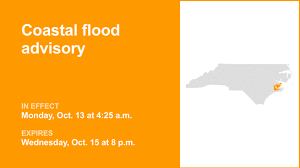
Coastal flood advisories are critical alerts issued by meteorological and environmental agencies to warn communities of potential flooding risks along coastlines. As climate change exacerbates weather patterns and sea levels rise, the frequency and intensity of coastal flooding have increased, making these advisories more relevant than ever. Recent weather events have highlighted the need for public awareness and preparedness for coastal flooding, emphasizing why understanding these advisories is crucial.
What is a Coastal Flood Advisory?
A coastal flood advisory is a notification issued to inform residents and local authorities of forecasted flooding conditions that could impact coastal areas. These advisories are typically categorized based on severity, including warnings for flooding and watches for possible flooding. The National Weather Service (NWS) plays a pivotal role in issuing these advisories, providing timely updates to ensure the safety of communities.
Current Events and Recent Advisories
In light of recent meteorological activity, several coastal states have received advisories due to hurricanes and nor’easters. For instance, in October 2023, parts of the East Coast faced significant risks from a powerful storm system. The NWS issued coastal flood advisories for areas from Virginia through New Jersey, warning residents of possible flooding driven by high tides and storm surges. As this pattern continues, local governments have issued preparations to mitigate risks, including encouraging evacuations in high-risk areas and informing residents through social media and local notifications.
Significance for Communities
The significance of coastal flood advisories cannot be overstated. These advisories serve as a vital tool for community resilience. They enable residents to prepare for adverse weather conditions that could disrupt daily life and pose threats to safety and property. Furthermore, awareness of these advisories can lead to better infrastructure planning as communities seek to adapt to increasing flood risks and invest in mitigation strategies. Educational initiatives surrounding these advisories can ensure that more individuals understand the potential impacts and necessary actions.
Conclusion
As climate change continues to affect weather patterns and lead to more frequent severe weather events, the importance of coastal flood advisories grows. Communities must remain informed, responsive, and prepared for potential flooding threats. By understanding the implications of these advisories and the nature of coastal flooding, residents can enact necessary measures to safeguard their homes and families. Forecasts indicate that these advisories will become more common in the coming years, making it essential for coastal populations to stay current with alerts and preparedness measures.