Introduction
Dense fog advisories are crucial alerts issued by meteorological organizations to inform the public about low visibility conditions. Fog can significantly impair vision, posing risks to drivers and pedestrians alike. Understanding what a dense fog advisory entails helps communities prepare and respond effectively during such weather events.
What is a Dense Fog Advisory?
A dense fog advisory is issued when visibility is reduced to less than one-quarter mile, often due to moisture in the air and temperature differences. These conditions can develop quickly and are particularly common in the early morning and late evening hours. The National Weather Service (NWS) typically issues these advisories to alert motorists and the wider public about the potential dangers associated with driving and walking in such conditions.
Recent Events and Statistics
In recent weeks, several areas across the Midwest and Northeast U.S. have been affected by dense fog advisories, causing hazardous driving conditions. For instance, on October 20, 2023, a significant portion of Ohio experienced limited visibility, leading to accidents and traffic disruptions. According to a report by the NWS, nearly 30% of vehicle collisions during foggy conditions result in injuries, highlighting the importance of taking these advisories seriously.
Safety Tips During a Dense Fog Advisory
When a dense fog advisory is in effect, it is crucial to follow safety precautions:
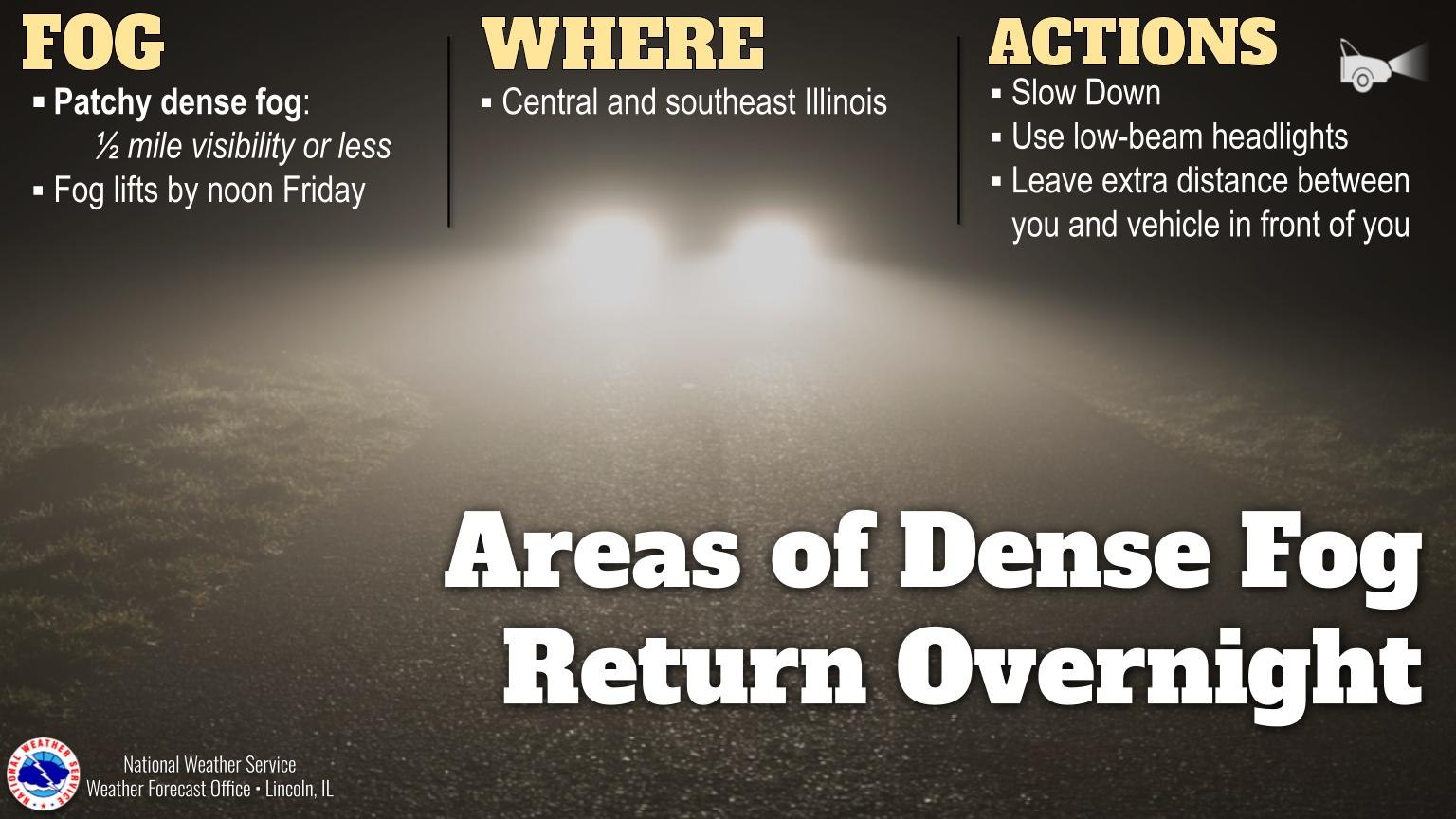
- Reduce Speed: Driving at a slower pace allows for better reaction time to unexpected obstacles.
- Use Low-Beam Headlights: High beams can reflect off the fog and worsen visibility.
- Stay Alert: Avoid distractions and stay focused on the road ahead.
- Plan Your Route: If possible, avoid driving during dense fog conditions and use alternative routes with better visibility.
Conclusion
Dense fog advisories play an essential role in maintaining public safety during low visibility conditions. By understanding these advisories and following safety protocols, individuals can reduce the risk of accidents and ensure a safer environment for everyone. As climate variability continues to impact weather patterns, staying informed through official channels like the NWS will remain vital for adapting to changing conditions and enhancing community safety.