Introduction
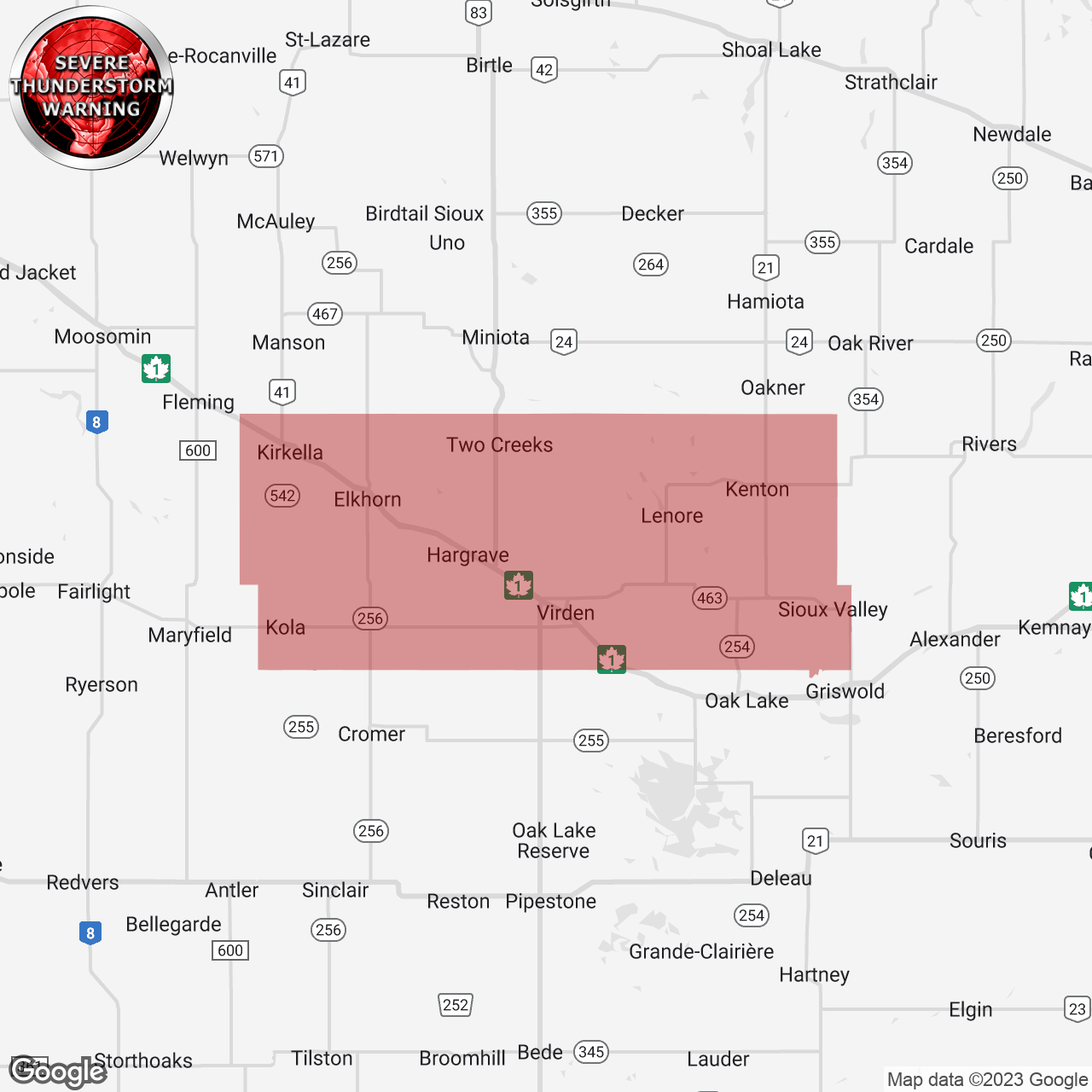
Severe thunderstorm warnings are crucial for public safety, particularly during the peak of the storm season. These alerts inform residents of dangerous weather conditions that could pose threats to life and property. As the frequency and intensity of such storms increase due to climate change, understanding these warnings and their potential impacts has become more critical than ever.
What is a Severe Thunderstorm Warning?
A severe thunderstorm warning is issued by the National Weather Service (NWS) when meteorologists identify a storm with the potential to produce harmful winds of 58 mph or greater, hail of one inch in diameter or larger, or a tornado. Warnings are typically broadcasted through various media channels, including radio, television, and mobile notifications. The purpose of these warnings is to prompt immediate action for safety.
Current Weather Events
As of October 2023, the NWS has recently issued severe thunderstorm warnings across multiple states, including Texas, Oklahoma, and Arkansas. Reports indicate that these storms are associated with a large weather system moving through the southern United States. Residents are encouraged to prepare for damaging winds, large hail, and the risk of flash flooding. Meteorologists expect that this weather pattern will persist over the next week, leading to frequent warnings and a heightened risk of severe weather.
Implications of Severe Thunderstorm Warnings
Failure to heed severe thunderstorm warnings can result in significant damage. Structures can be hit by high winds or hail, leading to property losses. The risk of power outages increases significantly during severe storms, causing disruptions in daily life. Moreover, flash flooding can pose serious hazards, especially in low-lying areas. Local authorities recommend that residents stay indoors during warnings and have an emergency kit prepared in case of severe weather.
Tips for Preparation
To ensure safety during severe thunderstorms, individuals should:
- Stay updated with the latest weather reports through mobile apps or NOAA Weather Radio.
- Secure outdoor objects that could become projectiles in high winds.
- Create a family emergency plan that includes safety zones within your home.
- Keep an emergency supply kit ready, including food, water, and medical supplies.
Conclusion
Severe thunderstorm warnings serve as a critical tool for protecting lives and property in hazardous weather conditions. As storms become more frequent, understanding these alerts and preparing accordingly is essential. Experts predict that severe storms will become a regular occurrence, underscoring the importance of being informed and ready. For residents in affected areas, taking these warnings seriously can make a significant difference in safety outcomes.