Introduction
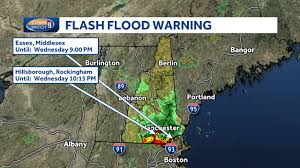
Flash flood warnings are critical alerts issued by meteorological agencies when sudden and intense rainfall is expected to cause rapid flooding. These warnings are vital for public safety, as they can help communities prepare for life-threatening conditions, potentially saving lives and preventing property damage. The increasing frequency of extreme weather events due to climate change has made understanding flash flood warnings more important than ever.
Recent Events
In the past few weeks, several regions across the United States have faced severe weather conditions leading to flash flood warnings. On September 20, 2023, the National Weather Service (NWS) issued warnings for parts of Texas and Oklahoma, where heavy downpours were expected to swell creeks and rivers, leading to dangerous flash floods. Reports indicated that some areas received up to five inches of rain within just a few hours.
Emergency services in these regions quickly mobilized to prepare for potential rescues and evacuations. In Houston, city officials advised residents in flood-prone areas to stay vigilant and form emergency plans, underscoring the unpredictability and speed at which flash floods can impact communities.
How Flash Flood Warnings are Issued
Flash flood warnings are typically issued based on real-time rainfall data, river and stream gauges, and weather radar. The NWS monitors these conditions closely and issues warnings when conditions indicate that flash flooding is imminent or occurring. These warnings can vary in severity and are categorized into three types:
- Flash Flood Watch: Conditions are favorable for flash flooding.
- Flash Flood Warning: Flash flooding is occurring or imminent. Residents should take immediate safety measures.
- Flash Flood Emergency: A life-threatening situation is occurring; immediate action is essential.
Conclusion
Flash flood warnings serve as a crucial tool for public safety, particularly as severe weather patterns become more commonplace. Awareness and understanding of these warnings, alongside preparedness measures, can significantly mitigate risks associated with flash floods. As climate change continues to influence weather behavior, it is imperative for residents in vulnerable areas to stay informed through local weather services and to have emergency plans in place. In the face of increasing flooding risks, knowing how to respond to flash flood warnings can make all the difference for individuals and communities alike.