The Importance of Recognizing Flu Symptoms
As we enter the flu season, understanding flu symptoms is crucial for early detection and treatment. Influenza, commonly known as the flu, is a contagious respiratory illness that can lead to severe health complications. Recognizing the symptoms can not only help individuals seek timely medical attention but also assist in minimizing the spread of the virus.
Common Symptoms of the Flu
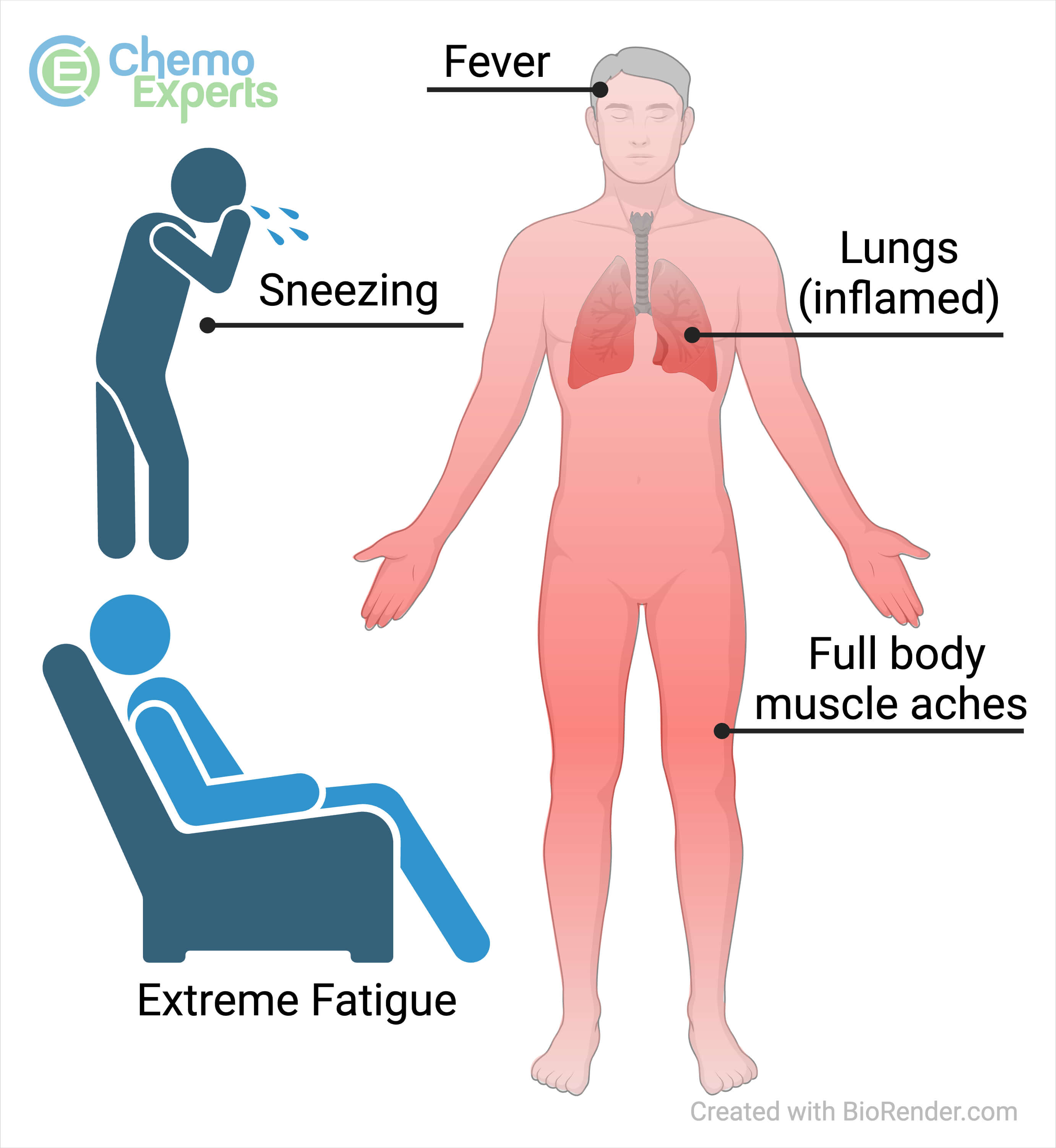
The flu typically manifests with a sudden onset of symptoms. Key indicators include:
- Fever or chills: Often high, with body temperatures reaching as high as 104°F.
- Cough: Usually dry and persistent.
- Muscle or body aches: Commonly reported by patients as significant discomfort.
- Headaches: Can range from moderate to severe intensity.
- Fatigue: Feeling excessively tired or weak, sometimes lasting weeks.
- Sore throat: May develop as the illness progresses.
- Runny or stuffy nose: Often accompanying other respiratory symptoms.
- Gastrointestinal symptoms: While less common, some strains of the flu can lead to nausea, vomiting, or diarrhea.
Recent Trends and Statistics
This year, the Centers for Disease Control and Prevention (CDC) has noted an earlier than usual uptick in flu cases. According to the CDC, as of mid-November 2023, reported flu hospitalizations have increased by 30% compared to the same time last year. Health experts emphasize the importance of vaccination, especially for vulnerable populations such as the elderly, children, and individuals with pre-existing health conditions.
Precautionary Measures
Besides recognizing the symptoms, individuals can take several precautionary measures to protect themselves and others:
- Vaccination: Annual flu shots are recommended. Vaccination can significantly reduce the risk of severe illness.
- Good hygiene practices: Frequent handwashing, using hand sanitizers, and avoiding close contact with sick individuals.
- Staying informed: Monitoring local health updates and following guidelines from public health officials.
Conclusion
Understanding flu symptoms is essential for timely intervention and treatment. With flu activity on the rise, awareness, prevention, and vaccination remain imperative strategies. Staying informed and vigilant can help protect not only individual health but also contribute to the well-being of the wider community. Health officials advise anyone experiencing severe symptoms to seek medical advice promptly to mitigate complications associated with the flu.