Introduction
As winter approaches, meteorologists often issue freeze warnings, which are essential alerts indicating that temperatures are expected to fall below freezing. These warnings are crucial for farmers, homeowners, and outdoor enthusiasts, as they can lead to frost damage to plants, pose risks to pets, and make roadways hazardous. With the potential for extreme cold events increasing due to climate change, understanding freeze warnings and their implications is more important than ever.
What is a Freeze Warning?
A freeze warning is issued by the National Weather Service (NWS) when temperatures are predicted to drop below 32 degrees Fahrenheit for a prolonged period, typically overnight. This warning is aimed at informing the public about the likely conditions that could jeopardize agriculture, transportation, and public health.
Impact of Freeze Conditions
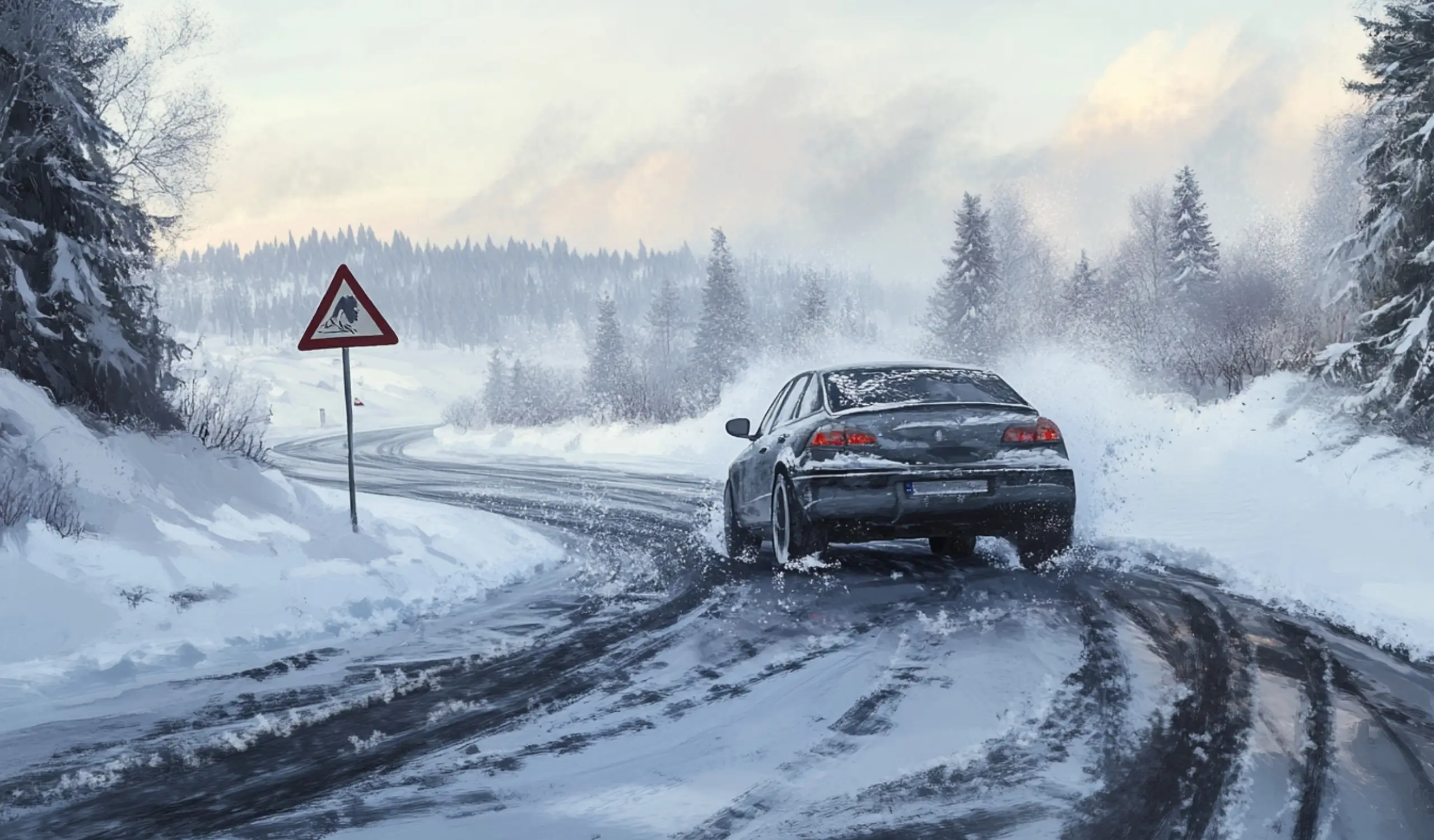
The immediate effects of a freeze can be significant. Frost can severely damage or kill tender plants, making it essential for gardeners and farmers to take preventive measures. This includes covering sensitive plants and bringing potted plants indoors. Additionally, a freeze can increase the risk of hazardous driving conditions as road surfaces can become slick from ice formation. Public transportation could also be affected, leading to delays and cancellation of services.
Recent Freeze Warnings
In recent weeks, several regions across the United States have experienced freeze warnings, particularly in the Midwest and Northeast. For instance, states like Illinois and Michigan encountered early freeze warnings as temperatures plummeted unexpectedly, resulting in extensive damage to crops. Farmers have had to act quickly to protect their harvests, emphasizing the importance of timely weather alerts.
How to Prepare for Freeze Warnings
Preparation is key to mitigating the effects of a freeze warning. Here are a few essential tips for residents:
- Cover outdoor plants with cloth, tarps, or blankets
- Bring potted plants indoors or to a sheltered location
- Keep pets indoors or provide adequate shelter
- Check and prepare heating systems in your home
- Stay tuned to weather updates for changing conditions
Conclusion
Understanding the significance of freeze warnings can greatly improve safety during the cold months. By heeding these warnings and preparing adequately, individuals can protect their property, ensure the safety of their pets, and preserve crops. As climate patterns shift, staying informed about weather alerts will become increasingly vital for residents across various regions.