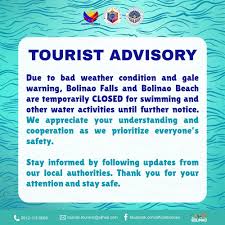
What is a Gale Warning?
A gale warning is an essential weather alert used primarily in maritime contexts to notify seafarers and residents of the potential dangers posed by strong winds. According to the National Weather Service (NWS), gale force winds are defined as sustained winds of 34 to 40 knots (39 to 46 mph) and can create hazardous conditions at sea and along coastlines. These warnings are important for several reasons, especially in regard to safety, preparedness, and awareness among the public.
Why Gale Warnings Matter
Gale warnings are issued to help protect lives, property, and natural resources. In addition to posing risks to small craft and commercial shipping, gale conditions can lead to significant surf and coastal flooding, damaging docks, beaches, and coastal infrastructure. Understanding and responding to these warnings can greatly reduce the chances of accidents and injuries caused by rough seas, flying debris, and other weather-related hazards.
Recent Gale Warnings Across the U.S.
This week, the NWS has issued gale warnings for several coastal regions of the United States, including parts of the Northeast, Southeast, and along the West Coast. Forecasts predict sustained winds exceeding 40 mph, accompanied by heavy surf and coastal flooding. The warnings serve as a critical alert for fishermen, boaters, and coastal residents, urging them to stay informed and take the necessary precautions.
Public Response and Preparedness
Local authorities encourage all residents in affected regions to stay updated on the latest weather reports and to heed safety guidelines. This includes securing outdoor objects, avoiding unnecessary travel along coastal routes during warning periods, and staying away from the water due to high wave activity. The role of public agencies in disseminating timely information cannot be overstated, as they serve as the link between meteorological data and community safety.
Conclusion
Gale warnings are a vital part of weather preparedness and coastal safety. As climate patterns continue to evolve, the frequency and intensity of gale force winds may increase, making it even more crucial for residents and visitors along the coast to understand these alerts. Awareness is key, and following weather forecasts and local advisories can save lives. As communities brace for future storms, embracing this proactive approach will help mitigate risks posed by severe weather conditions, ensuring both safety and resilience for coastal areas.