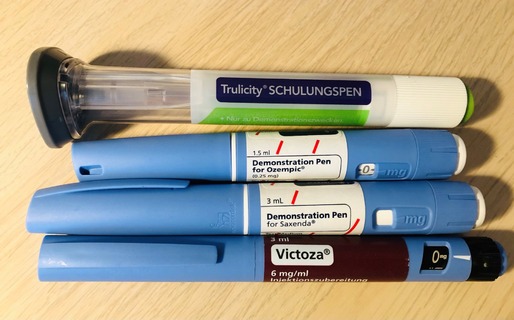
Introduction to GLP-1
GLP-1, or glucagon-like peptide-1, is a hormone that plays a crucial role in glucose metabolism and insulin regulation. Its importance has surged in recent years due to the development of GLP-1 receptor agonists, a class of medications that are transforming the landscape of diabetes treatment. As the prevalence of type 2 diabetes continues to rise globally, understanding GLP-1 and its therapeutic potential is more relevant than ever.
How GLP-1 Works
GLP-1 is secreted by the intestines in response to food intake. It stimulates insulin secretion from the pancreas and inhibits glucagon release, effectively lowering blood sugar levels. Additionally, GLP-1 slows gastric emptying, which promotes satiety and helps regulate appetite. These mechanisms make GLP-1 a target for medications aimed at managing diabetes, particularly type 2 diabetes.
Recent Developments in GLP-1 Medications
The last decade has seen substantial clinical advancements in GLP-1 receptor agonists, including medications like semaglutide and liraglutide. These drugs have not only shown efficacy in improving glycemic control but have also been associated with significant weight loss, an essential factor in managing obesity-related diabetes. According to recent data from clinical trials, semaglutide can reduce HbA1c levels by 1.5% to 2% and lead to an average weight loss of up to 15% among participants.
Moreover, recent studies suggest additional cardiovascular benefits associated with GLP-1 therapies, which can reduce the risk of major cardiovascular events in patients with type 2 diabetes.
Current Trends and Future Implications
As healthcare providers increasingly recognize the importance of a multifaceted approach to diabetes treatment, GLP-1 medications are becoming a staple in diabetes management. Recent healthcare guidelines now recommend these medications as a first-line treatment option for individuals with type 2 diabetes, particularly those struggling with obesity.
Conclusion
The rise of GLP-1 receptor agonists marks a significant shift in diabetes treatment paradigms, providing hope for millions affected by this chronic condition. With ongoing research and development, the potential for new GLP-1 medications on the market will likely expand, offering more options for patients. As we continue to delve deeper into the therapeutic effects of GLP-1, it is essential for patients and healthcare professionals alike to stay informed about these advancements to optimize diabetes care and improve overall health outcomes.