Introduction
As winter approaches, meteorologists begin to issue ice storm warnings for certain regions. Such warnings indicate that a significant accumulation of ice is anticipated, which can lead to dangerous conditions. These warnings are crucial for public safety as they provide advance notice for residents to prepare for potential hazards like power outages, icy roads, and falling tree branches. Understanding the implications and necessary responses to an ice storm warning is vital for ensuring community safety and well-being.
What is an Ice Storm Warning?
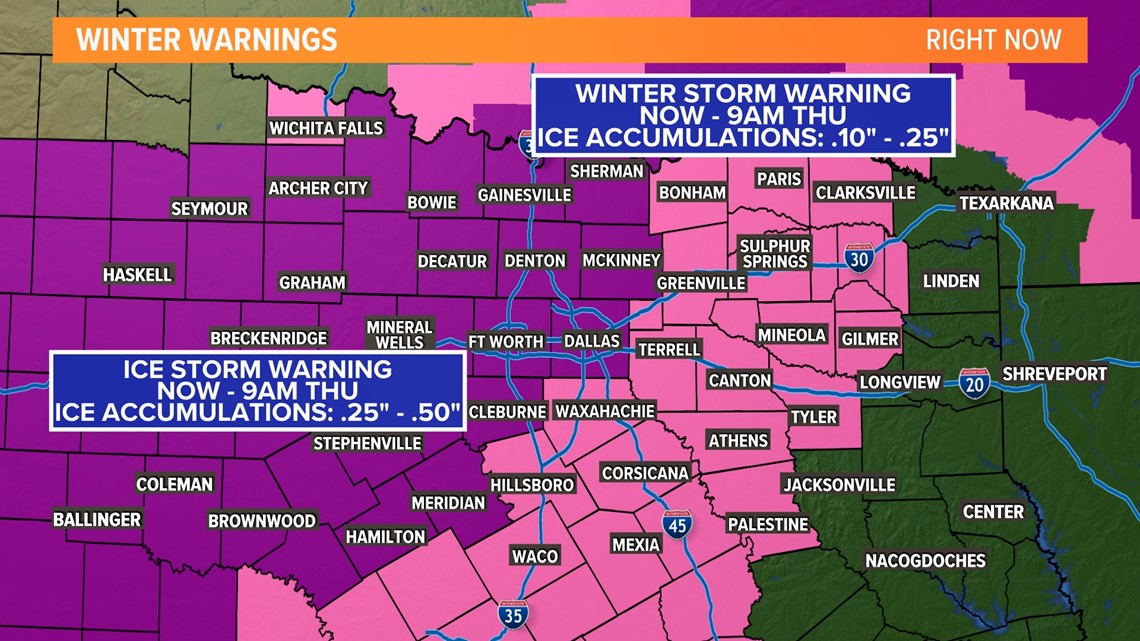
An ice storm warning is a notification issued by weather agencies, like the National Weather Service, indicating that freezing rain will create hazardous conditions. According to the National Weather Service, an ice storm occurs when a warm, wet air mass overrides a cold air mass, resulting in the freezing of rain as it hits cold surfaces. Typically, an ice storm is considered serious when ice accumulation exceeds 0.25 inches.
Recent Events
Recently, several regions across the eastern United States have faced ice storm warnings due to a cold front colliding with moist air from the Gulf of Mexico. Cities in states such as Virginia, Kentucky, and West Virginia experienced significant ice accumulation starting last week, prompting local authorities to issue warnings and provide guidance on safety measures. Many schools were closed, and travel advisories were issued as road conditions became treacherous due to the icy glare.
Preparation and Safety Measures
In light of existing ice storm warnings, residents are encouraged to take necessary precautions. Here are some safety tips:
- Stay informed by following local weather updates and advisories.
- Stock up on emergency supplies including food, water, batteries, and medications.
- Charge your electronic devices and consider keeping a portable charger handy.
- Avoid unnecessary travel; if travel is essential, ensure your vehicle has an emergency kit.
- Prepare your home by insulating pipes, covering windows, and ensuring alternative heating sources are safe and ready to use.
Conclusion
Ice storm warnings are vital alerts that call for preparedness and caution from residents. As climate change continues to influence winter weather patterns, understanding the risks associated with ice storms becomes increasingly important. While no one can predict the exact impact of an ice storm, staying informed and prepared can significantly reduce potential harm and ensure the safety of communities. Always heed local forecasts and authority recommendations to navigate through severe winter weather effectively.