Introduction to Kissing Bug Disease
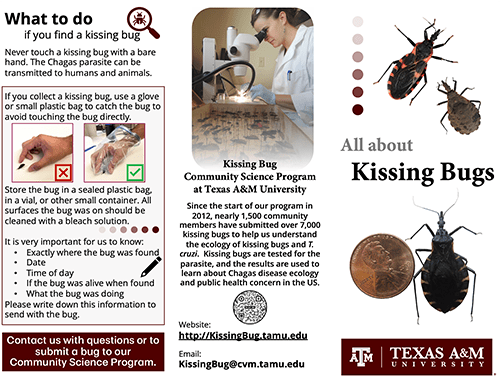
Kissing bug disease, also known as Chagas disease, is a severe public health concern, particularly in Latin America but increasingly recognized in the United States. Transmitted by the Triatominae bugs, known as kissing bugs due to their habit of biting humans around the mouth, this illness has long-term implications for those affected. Awareness and education on its symptoms, transmission, and prevention are crucial for public health.
Transmission and Symptoms
The primary vector, the kissing bug, is nocturnal and feeds on the blood of mammals, including humans. The bugs often defecate near the bite site, and the disease-causing parasite, Trypanosoma cruzi, enters the body through the bite wound. Initial symptoms can include fever, fatigue, rash, and swelling, but the disease can also become chronic, leading to severe heart and digestive issues over time.
Recent Outbreaks and Research
According to the Centers for Disease Control and Prevention (CDC), an estimated 300,000 people in the United States are living with Chagas disease. Recent studies indicate a rise in cases, particularly among populations returning from endemic regions in Latin America. Researchers highlight the need for enhanced surveillance, vector control strategies, and increased public awareness to address this growing concern.
Prevention and Control Measures
To minimize the risk of kissing bug disease, people are encouraged to inspect and improve housing conditions, particularly in rural and impoverished areas where these bugs are common. Potential prevention measures include using screens on windows and doors, sealing cracks in buildings, and employing insecticides. Awareness campaigns aimed at educating communities on recognizing kissing bugs and their behaviors are essential for preventing transmission.
Conclusion and Future Implications
The resurgence of kissing bug disease poses unique challenges for healthcare systems, particularly with climate change expanding the habitats suitable for kissing bugs. Early diagnosis and treatment remain vital for improving outcomes for those affected. Future research is essential to develop effective vaccines and treatments. Increasing public education and health resources will be key in combating the spread of this disease, ensuring communities are prepared and informed.