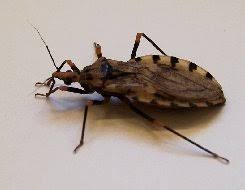
Introduction to Kissing Bugs and Chagas Disease
Kissing bugs, scientifically known as triatomine bugs, are more than just an unsettling nuisance; they are carriers of Chagas disease, a potentially life-threatening illness. Affecting millions in Central and South America, this disease has become a rising concern in the southern United States due to increasing reports of kissing bug infestations. Understanding this connection is vital for public health awareness and prevention.
Kissing Bugs: Characteristics and Habitat
Kissing bugs are typically nocturnal, known for their distinct habit of biting humans around the mouth and face during the night. They thrive in rural areas, often found in substandard housing where cracks and crevices provide shelter. As urban development encroaches into their natural habitats, more cases of kissing bug bites and subsequent Chagas disease transmission are being reported in newly affected regions.
The Connection to Chagas Disease
Chagas disease is caused by the Trypanosoma cruzi parasite, which is transmitted through the feces of infected kissing bugs. After the bug feeds on human blood, it defecates near the bite site, and when individuals unknowingly scratch the area, the parasite enters the bloodstream. Acute Chagas disease symptoms may include fever, fatigue, or swelling at the bite site, but many cases go unnoticed, leading to chronic conditions. Long-term effects can damage the heart and digestive system if left untreated.
Current Statistics and Trends
According to the Centers for Disease Control and Prevention (CDC), approximately 300,000 people in the United States are estimated to be infected with the Chagas disease parasite, which is a significant jump from past data. Most cases in the U.S. stem from travelers returning from Latin America, but there is an increasing trend of locally acquired infections due to the presence of kissing bugs in southern states.
Prevention and Public Health Awareness
Public health officials are ramping up efforts to educate communities about the presence of kissing bugs and the risks of Chagas disease. Measures include improving housing conditions to reduce bug habitats, advising on vector control methods, and promoting awareness of symptoms. Homeowners are encouraged to seal cracks in walls and windows, keep living areas clean, and use insecticides where necessary.
Conclusion: The Importance of Awareness
As the climate changes and populations spread, the potential for Chagas disease to become an even greater public health threat increases. Awareness of kissing bugs and the risks associated with them is crucial for prevention efforts. Communities must stay informed and proactive to reduce the incidence of this preventable disease and protect their health.