Introduction
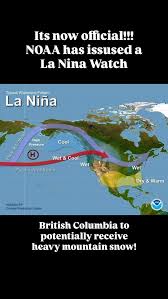
La Niña, a complex weather phenomenon characterized by cooler-than-average sea surface temperatures in the central and eastern tropical Pacific Ocean, is increasingly becoming a focal point of study due to its far-reaching implications on global weather patterns. As the world grapples with climate change, the effects of La Niña are showing greater significance in the frequency and intensity of extreme weather events, affecting agriculture, economies, and livelihoods worldwide.
The Mechanics of La Niña
La Niña typically forms every few years and often lasts 9-12 months, although some episodes can last for longer. It is the counterpart of El Niño and is part of the El Niño-Southern Oscillation (ENSO) cycle. During La Niña, the trade winds strengthen, leading to increased upwelling of cold water in the eastern Pacific, affecting weather on a global scale.
Recent Developments
In 2023, La Niña events have intensified, causing significant shifts in weather systems across the globe. For instance, the U.S. Southwest experienced severe drought conditions, while regions like Southeast Asia and the western Pacific faced heavy flooding and increased tropical cyclone activity. These contrasting patterns underscore the multifaceted impacts of La Niña, from decreased crop yields in some areas to enhanced precipitation in others, creating challenges for agriculture and food security.
Global Consequences
A recent report from the National Oceanic and Atmospheric Administration (NOAA) indicated that the ongoing La Niña could have lasting effects through the winter months, potentially delaying planting seasons in agricultural regions and exacerbating water shortages. Countries reliant on consistent weather patterns face heightened economic uncertainties due to these fluctuations. For instance, the impact on rice production in Southeast Asia may lead to increased food prices, stressing already vulnerable economies.
Conclusion
Understanding La Niña and its broader implications is vital as the phenomenon continues to shape climatic conditions around the world. Meteorologists emphasize the importance of monitoring La Niña to prepare for potential natural disasters, food shortages, and economic impacts. As scientists continue to study the phenomenon, the hope is to develop better predictive models that can provide timely information to affected regions, ultimately allowing communities to adapt and mitigate the adverse effects of this climatic event.