Introduction
Lyme disease is a significant health concern in the United States, especially during warmer months when ticks are most active. It is caused by the bacterium Borrelia burgdorferi, which is transmitted to humans through the bite of infected black-legged ticks, also known as deer ticks. The importance of understanding Lyme disease lies not only in its increasing prevalence but also in the potential for long-term health complications if left untreated.
What are the Symptoms of Lyme Disease?
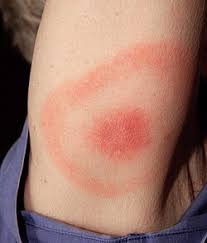
The symptoms of Lyme disease can vary widely and can appear anywhere from three to 30 days after a tick bite. Early symptoms often include fever, chills, fatigue, muscle aches, and swollen lymph nodes. One of the hallmark signs of Lyme disease is a circular, red rash with a characteristic central clearing that resembles a “bull’s-eye”. If not treated, the disease can progress to more severe symptoms, affecting the joints, heart, and nervous system. Chronic Lyme disease can lead to persistent fatigue and joint pain.
Causes and Transmission
Lyme disease primarily occurs in specific geographic areas, particularly in the Northeast, Upper Midwest, and Pacific Coast of the United States. The disease is transmitted through the bite of an infected tick, which usually requires the tick to be attached for at least 24 hours to transmit the bacterium. Understanding the risks associated with outdoor activities, particularly in wooded or grassy areas, is crucial for prevention.
How to Prevent Lyme Disease
To reduce the risk of contracting Lyme disease, individuals should take several preventive measures. Wearing long sleeves and pants, using insect repellent containing DEET, and performing tick checks after outdoor activities can significantly decrease the chance of a tick bite. Keeping yards and gardens well-maintained by clearing tall grasses and brush can also help limit tick habitats. If a tick is found attached to the skin, it should be removed promptly and carefully with tweezers.
Conclusion
As Lyme disease continues to be a growing concern, especially with the changing climate affecting tick populations, it is essential for the public to be informed about the symptoms, causes, and preventive measures. Early diagnosis and proper treatment are critical to prevent serious health consequences. If you suspect you have Lyme disease or have been bitten by a tick, seeking medical advice promptly can lead to effective treatment and reduce the risk of long-term health issues.