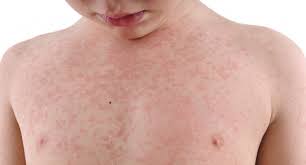
The Importance of Measles Vaccination
Measles, a highly contagious viral disease, continues to pose a significant public health challenge, particularly in 2023. As noted by health officials, the resurgence of measles outbreaks across various regions underscores the critical importance of vaccination. The World Health Organization (WHO) and the Centers for Disease Control and Prevention (CDC) emphasize that routine measles vaccination can prevent such outbreaks and protect vulnerable populations.
Current Outbreaks and Statistics
According to recent reports, the United States has witnessed a notable increase in measles cases this year. As of October 2023, the CDC has confirmed over 600 cases nationwide, a stark contrast to the 209 cases reported in all of 2022. Several factors contribute to this alarming trend, including misinformation about vaccines, declining vaccination rates, and increased international travel.
Particularly affected areas include states with lower vaccination coverage. For instance, outbreaks have been reported in communities in California and New York, where vaccine hesitancy and urban density create conducive environments for virus transmission. Public health officials have urged these communities to improve vaccination outreach, especially for children who are most at risk.
Understanding Measles Transmission and Symptoms
Measles is primarily transmitted through respiratory droplets when an infected person coughs or sneezes. The virus can remain airborne for up to two hours and is highly contagious, with a 90% infection rate among susceptible individuals. Symptoms typically appear 10-14 days after exposure and include high fever, cough, runny nose, and a distinctive rash that usually begins on the face and spreads to the rest of the body.
Recommendations for the Public
In light of the rising cases, health authorities recommend that individuals ensure they are vaccinated against measles, which is usually administered in a combination vaccine called MMR (measles, mumps, and rubella). Two doses of the vaccine are about 97% effective in preventing measles. Health campaigns are being launched to educate the public about the safety and efficacy of vaccines, particularly in communities experiencing outbreaks.
Conclusion
The rise in measles cases in 2023 serves as a critical reminder of the importance of vaccinations in maintaining public health. With the threat of outbreaks looming, communities must prioritize education and access to vaccines to protect their most vulnerable members. Public health officials project that if vaccination rates do not improve, we may continue to see surges in cases, making it imperative for individuals to take action.