Introduction
Military grooming standards are crucial for maintaining discipline, unity, and professionalism within the armed forces. These standards not only reflect the readiness and appearance of servicemen and women, but they also foster a sense of pride and belonging. In recent years, the discussion surrounding military grooming standards has evolved, particularly in relation to inclusivity and cultural expression among service members.
Current Standards and Regulations
Each branch of the U.S. military has specific grooming regulations, which are outlined in their respective uniform regulations. The Army, Navy, Air Force, and Marine Corps all enforce grooming standards that dictate hair length, grooming for facial hair, and the appearance of uniforms.
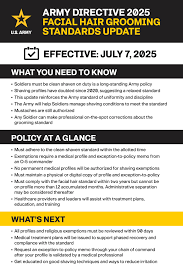
For example, the Army’s Regulation 670-1 details the expectations for hairstyle, hair color, and facial hair for soldiers. Similar guidelines exist for the Navy and Air Force, with the Marine Corps emphasizing a more conservative approach. Recently, there has been a movement within these branches to reassess grooming standards, particularly the restrictions on hairstyles and beards, which has brought attention to issues of cultural identity and personal expression.
Recent Developments
In the wake of the Black Lives Matter movement and growing awareness of systemic racism, the U.S. military has begun to revisit its grooming policies. In 2021, the Secretary of Defense ordered a comprehensive review of grooming standards with the aim of ensuring that they do not discriminate against service members based on race or ethnicity.
This review has led to changes in policies, particularly regarding hairstyles that are commonly worn by Black service members. The Air Force and Army have made adjustments to their regulations, allowing for more options that align with cultural styles. Changes include the acceptance of dreadlocks and braids, which reflect the diverse backgrounds of service members while still maintaining a professional appearance.
Conclusion
Military grooming standards will continue to be an important topic as the armed forces strive to balance tradition with inclusivity. As policies evolve, the military aims to respect the identity of each service member while upholding the core values of discipline and professionalism. These standards not only influence the morale of service members but also reshape public perception of the military’s attitude toward diversity and cultural expression. The future of military grooming standards will likely play a significant role in defining the modern image of the armed forces.