Introduction
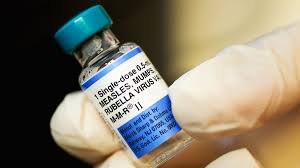
The MMRV vaccine, which combines the measles, mumps, rubella, and varicella (chickenpox) vaccines into one shot, is a vital immunization for children. With recent outbreaks of these preventable diseases, understanding the importance and effectiveness of the MMRV vaccine is crucial for public health. It not only protects individual children but also aids in the broader community’s immunity, making vaccination rates a focal point in health discussions.
The Importance of MMRV Vaccines
According to the Centers for Disease Control and Prevention (CDC), vaccination against these diseases is essential for several reasons. Measles is a highly contagious disease that can lead to severe complications, including pneumonia and encephalitis. Mumps has been associated with complications like orchitis and meningitis, while rubella poses significant risks during pregnancy, potentially leading to congenital rubella syndrome in infants. Varicella, although often seen as a mild illness, can result in serious complications, especially in immunocompromised individuals.
Current Recommendations and Statistics
The CDC recommends that children receive the MMRV vaccine at age one, with a second dose administered between ages four and six. Despite these recommendations, vaccination rates vary across the United States. Recent CDC data shows that as of 2022, approximately 90% of children have received the MMR vaccine by age two, but coverage for varicella is slightly lower, which may contribute to occasional outbreaks.
In 2023, health officials reported a resurgence of measles and varicella in several states, attributed to declining vaccination rates. Public health campaigns are emphasizing the need for increased awareness and accessibility to vaccines to prevent these outbreaks from spreading further.
Conclusion: The Path Forward
In conclusion, MMRV vaccines play a critical role in safeguarding children from some of the most contagious and dangerous diseases. As we face public health challenges, maintaining high vaccination rates is essential for protecting not only individual health but the well-being of entire communities. Parents are encouraged to ensure their children are up to date with their vaccinations, and the healthcare system must work towards addressing barriers that limit vaccine access. Moving forward, ongoing education and community outreach will be vital in keeping these preventable diseases at bay.