Introduction
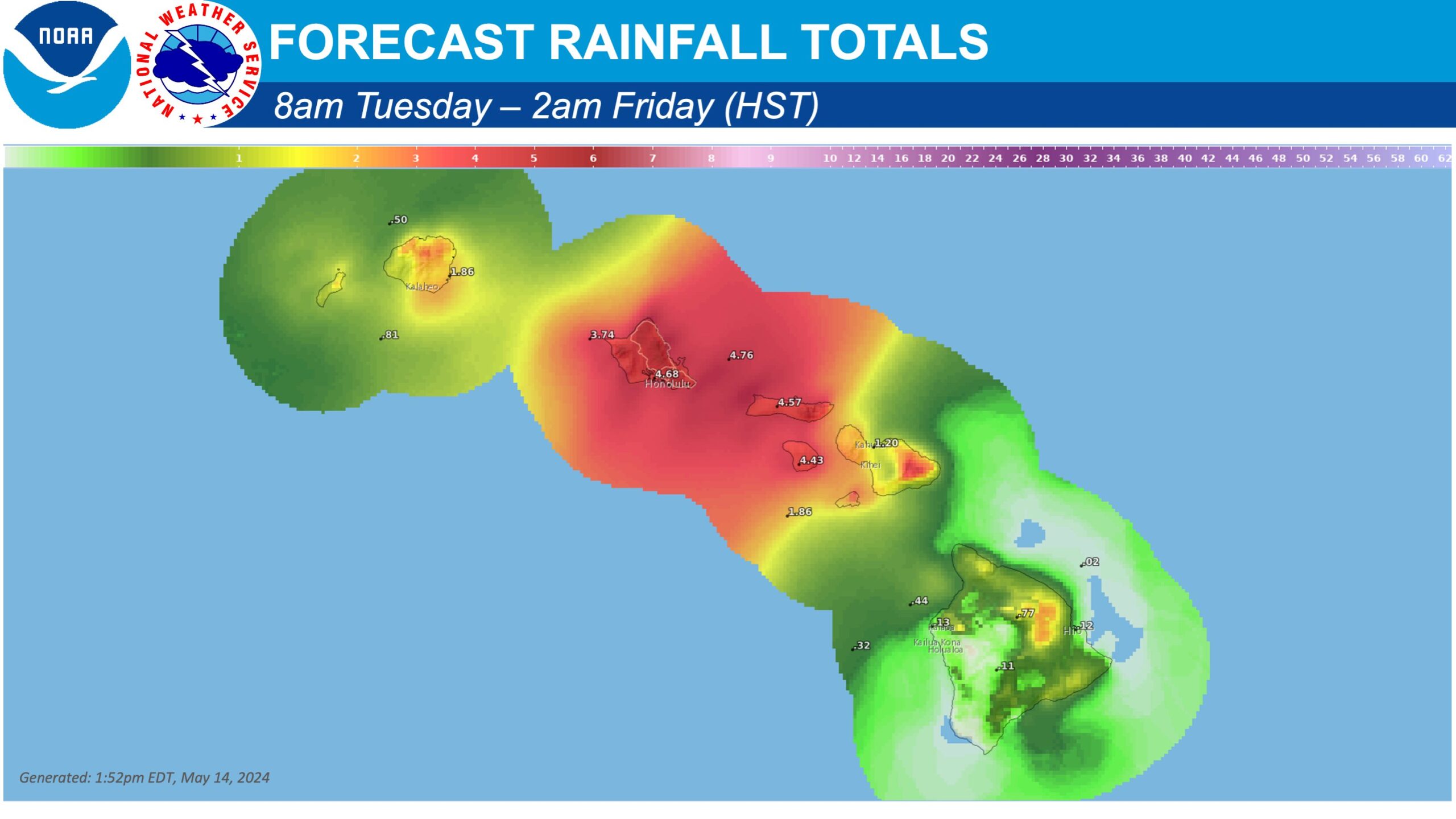
Hawaii, known for its breathtaking beaches and tranquil landscapes, is not immune to severe weather events. In recent years, the state has faced increasingly severe weather patterns, including hurricanes, heavy rains, and flash floods. Understanding these trends is crucial for residents and tourists alike, especially as climate change continues to escalate the frequency and intensity of such events.
Recent Severe Weather Events
In August 2023, Hawaii experienced one of its most devastating wildfire seasons, particularly impacting the island of Maui. These wildfires, exacerbated by high winds and dry conditions, led to widespread destruction in towns such as Lahaina, resulting in 97 fatalities and significant economic loss. Following the wildfires, experts noted the need for improved disaster preparedness and response integration across the Hawaiian Islands.
Additionally, Hurricane Lane in 2018 and Hurricane Douglas in 2020 caused extensive damage across the state, prompting evacuation orders and emergency declarations. These events highlighted the vulnerable infrastructure and the necessity for updated emergency protocols and enhanced building codes in risk-prone areas.
Infrastructure and Emergency Management
The Hawaii Emergency Management Agency (HI-EMA) plays a pivotal role in disaster response and recovery planning. In light of recent severe weather patterns, the agency has been working on enhancing the state’s resilience through community education, infrastructure upgrades, and improved early-warning systems. The focus is not only on immediate response but also on long-term strategies for climate adaptation across the islands.
Moreover, local government and community organizations are actively collaborating to create more robust emergency plans, incorporating feedback from past events to ensure they meet the needs of vulnerable populations, especially neighboring coastal communities.
Conclusion
As Hawaii faces a future potentially marked by increased severe weather incidents, it is vital that residents stay informed and prepared. Understanding historical weather trends, participating in community drills, and adhering to local emergency management guidelines can help mitigate the impacts of future disasters. With increasing unpredictability in weather patterns due to climate change, preparedness will be key to safeguarding lives and property across the Hawaiian Islands.