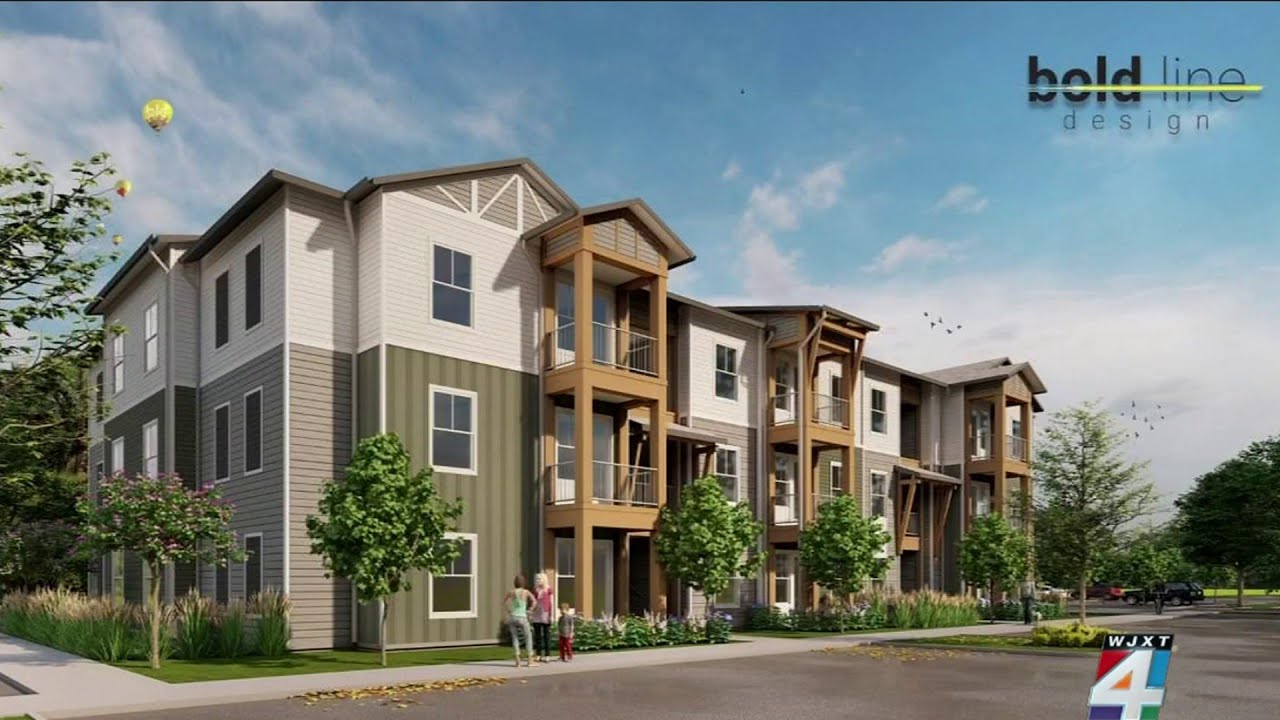
Introduction
Affordable housing remains one of the most pressing issues in the United States, affecting a vast number of families and individuals across the country. As housing prices continue to soar, many Americans are struggling to find a place to live that does not compromise their financial stability. According to a report from the National Low Income Housing Coalition, there is a current shortage of 7 million affordable homes for extremely low-income renters, highlighting the urgent need for solutions to this growing crisis.
The Current State of Affordable Housing
The landscape of affordable housing has been drastically altered in recent years, particularly in urban areas where demand outstrips supply. In many cities, the cost of renting has increased significantly while wages have remained stagnant. The 2023 Housing Wage report indicates that, on average, renters must earn $24.90 per hour to afford a two-bedroom apartment at fair market rent, making it nearly impossible for those earning minimum wage to secure adequate housing.
Moreover, the pandemic has exacerbated existing inequalities in housing. Lockdowns and job losses forced many families into precarious financial situations, leading to a rise in evictions and homelessness. According to the U.S. Census Bureau, nearly 12 million American households were behind on rent payments as of August 2023, pushing the affordable housing crisis into the spotlight.
Government and Community Responses
In response to the crisis, various government initiatives and nonprofit organizations are stepping up efforts to increase affordable housing availability. The Biden administration has proposed extensive investments in affordable housing development, aiming to build, rehabilitate, and increase rental assistance programs. Additionally, state and local governments are launching initiatives to incentivize developers to construct affordable units and regulate rent prices.
Community organizations are also playing a crucial role in addressing housing affordability. Nonprofits like Habitat for Humanity and local housing coalitions are mobilizing resources to provide low-income families with access to homeownership and stable housing. Advocacy groups are pushing for legislative changes to strengthen tenant protections and prevent housing discrimination.
Conclusion
The affordable housing crisis in the United States remains severe, impacting millions of families and individuals. While there are promising initiatives aimed at increasing housing availability, significant challenges remain in addressing the broader systemic issues contributing to the crisis. It will require a collaborative effort from government, community organizations, and private sector stakeholders to create sustainable solutions that ensure every American has access to safe and affordable housing. As this crisis continues to unfold, staying informed and advocating for policies that prioritize affordable housing will be essential for turning the tide.