Introduction
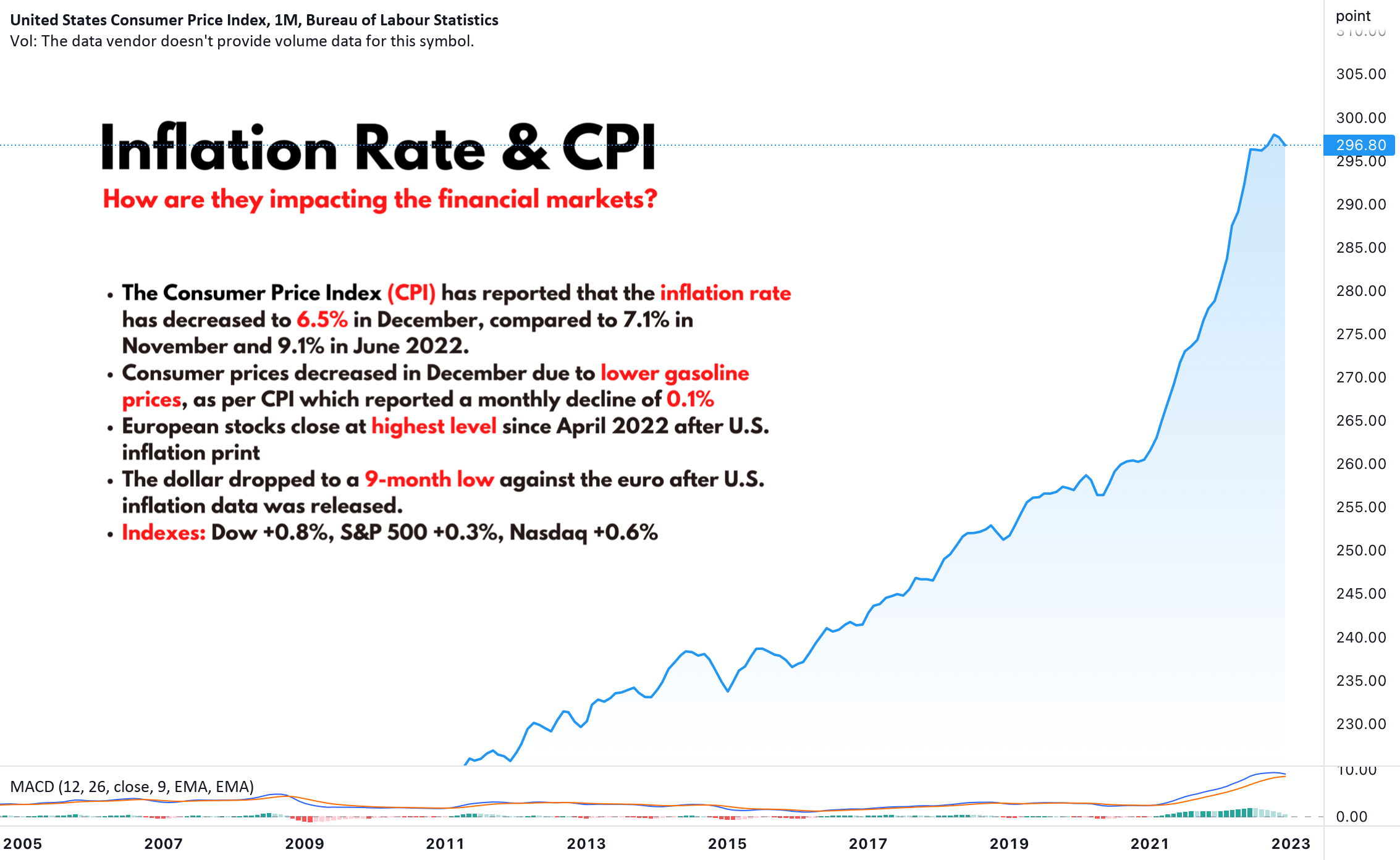
The Consumer Price Index (CPI) inflation rate is a crucial economic indicator that quantifies the average change in prices paid by consumers for goods and services over time. As inflation affects purchasing power and overall economic stability, understanding the current CPI trends is vital for consumers, businesses, and policymakers alike. The ongoing fluctuations in inflation rates have sparked discussions about monetary policy, price stability, and consumer behavior in recent months.
Current CPI Inflation Trends
As of October 2023, the U.S. Bureau of Labor Statistics (BLS) reported that the CPI inflation rate stood at 3.7%, slightly lower than the 4.3% recorded earlier in the year. This decline can be attributed to a combination of stabilizing energy prices and easing supply chain disruptions that had previously escalated costs across various sectors. Despite this moderation, the rate remains above the pre-pandemic average of around 2%, indicating that inflationary pressures persist.
The latest CPI report has shown that major contributors to the adjusted rate included a decrease in energy prices by approximately 5.6% month-over-month, combined with a slowdown in food price increases. However, core inflation—excluding food and energy—continued to exhibit resilience, with a monthly rise of 0.4%. This underscores the complexities of the inflation landscape as price pressures shift across different economic categories.
Implications of CPI Inflation Rate
Consumer reactions to the current inflation climate have significantly influenced spending habits. With prices still considerably higher than two years ago, many households are adjusting their budgets to account for increased costs. This behavioral shift has led to a decline in discretionary spending as families prioritize essentials. Businesses, in turn, are faced with the dilemma of raising prices or absorbing increased costs, which can impact profit margins and long-term sustainability.
Policymakers are closely monitoring these inflation trends, as central banks, including the Federal Reserve, leverage tools such as interest rate adjustments to stabilize inflation. Recent data suggests that the Fed may resort to continued monetary tightening to curb entrenched price growth and restore price stability, which could further influence the economy’s trajectory.
Conclusion
The CPI inflation rate is not merely a statistical number; it has far-reaching implications on the economy, impacting everything from consumer behavior to monetary policy. As inflation continues to evolve, consumers and businesses must remain vigilant in their financial planning to navigate these changes. The outlook for inflation suggests ongoing volatility, which will require adaptive strategies from both households and policymakers in the pursuit of economic stability and growth.