Introduction
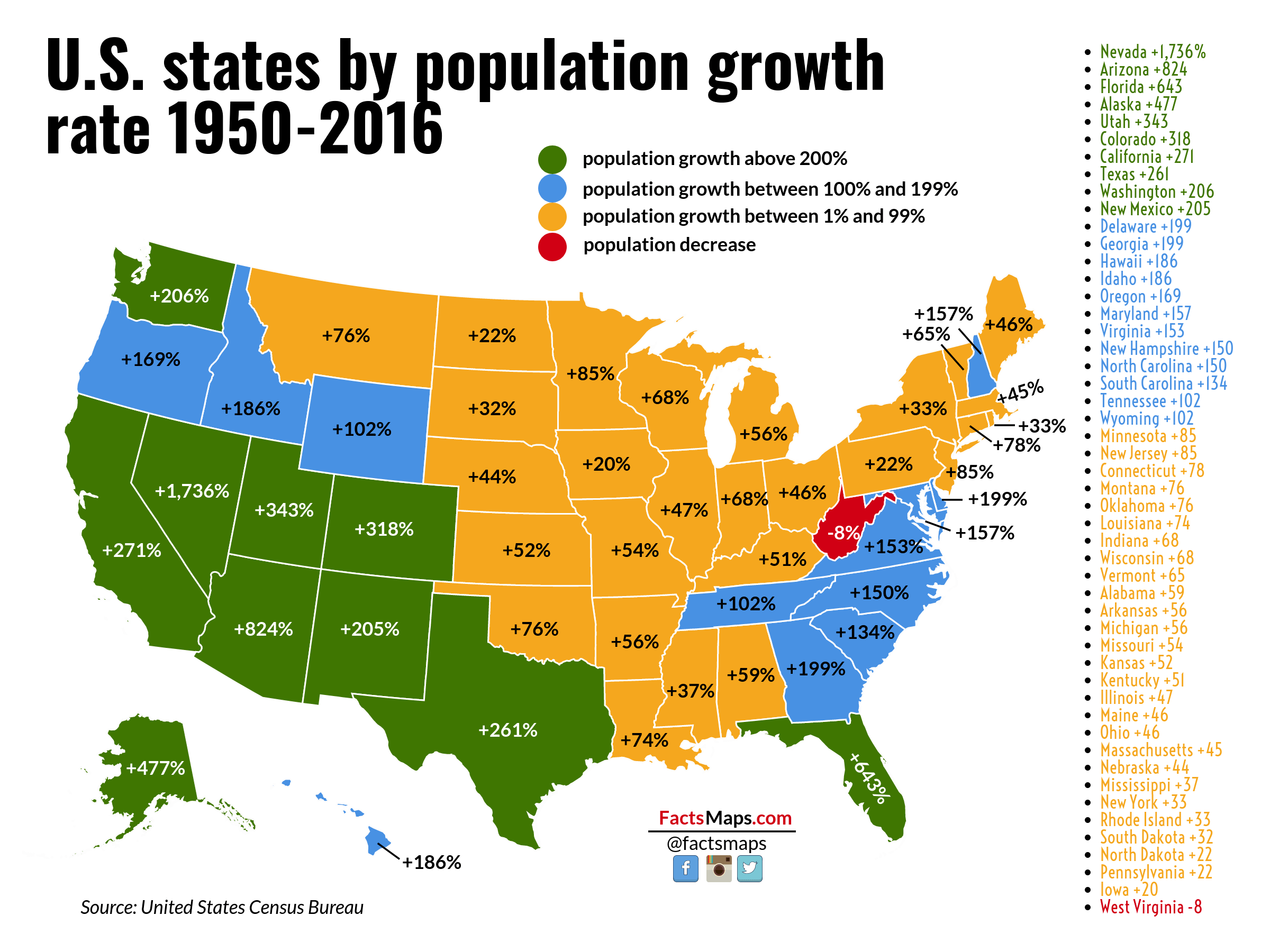
The population of the United States is a critical indicator of the country’s social, economic, and political landscape. As of the latest estimates, the US population has surpassed 333 million individuals, reflecting significant growth and demographic shifts. Understanding these changes is essential for policymakers, businesses, and communities as they strategize for future growth, resource allocation, and infrastructure development.
Current Population Statistics
According to the U.S. Census Bureau’s July 2023 estimates, the population of the United States reached approximately 333.5 million. This marks an increase of about 1.2 million people since the previous year. Notably, growth is attributable to a combination of natural increase (births minus deaths) and international migration, with the latter playing a crucial role in population expansion. Estimates suggest that net international migration added around 1.1 million people to the population in the last year alone, highlighting the importance of immigration in shaping demographic trends.
Demographic Changes
The demographic composition of the US is evolving, with increasing diversity across various groups. The Hispanic population has seen the most significant growth; it now constitutes approximately 19% of the total population. Moreover, the Asian demographic continues to expand, indicative of shifting immigration patterns. Additionally, the aging population poses challenges, as the proportion of seniors is projected to increase significantly by 2030, when all Baby Boomers will be over 65 years old.
Impact of Population Trends
The changes in the US population have significant implications across various sectors. Economists anticipate that the demand for healthcare services will rise due to the aging population, while the workforce landscape will also transform as the youth population evolves. Furthermore, increased diversity is likely to influence cultural norms, consumer behavior, and political dynamics, making understanding these trends critical for businesses looking to develop strategies tailored to a changing demographic.
Conclusion
Tracking the growth and changes in the US population presents vital insights into the nation’s trajectory. As the US continues to evolve, the interplay between natural growth and migration will remain prominent factors influencing economic, cultural, and social conditions. With forecasts projecting the population could exceed 400 million by 2060, it is crucial for stakeholders to consider these developments in their planning and decision-making processes. Understanding the fabric of the US population will be essential in addressing future challenges and leveraging opportunities.