Introduction
The US population is a critical indicator of the country’s social and economic health. As of 2023, the population is approximately 333 million, reflecting ongoing changes in demographics, migration patterns, and birth rates. Understanding population trends is essential for policymakers, economists, and community planners as it impacts everything from healthcare to education to infrastructure needs.
Current Demographics
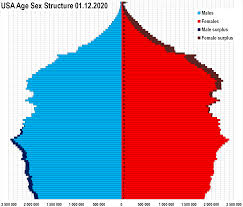
Recent data from the U.S. Census Bureau indicates a slowing growth rate, with an average annual increase of about 0.1% over the last year. This stagnation is attributed to a combination of lower birth rates, an aging population, and shifts in immigration trends. In fact, the latest numbers show the birth rate has declined to 11.4 births per 1,000 people, marking the lowest level recorded in US history.
The demographic composition is also changing. The U.S. is becoming increasingly diverse, with projections estimating that by 2045, minorities will account for over 50% of the population. The Hispanic population has grown significantly and currently makes up approximately 20% of the total population, making this group the largest ethnic minority in the country.
Regional Variations
Population growth is not uniform across the US. The South and West regions have experienced the most significant increases, while areas in the Midwest and Northeast have seen declines or very slow growth. States like Texas and Florida are leading the way in population increases due to their favorable economic conditions and climate. In contrast, states such as New York and Illinois have experienced population outflows, partly driven by high living costs and changing job markets.
Implications for the Future
The current trends in the US population have several implications for the future. A stagnant growth rate could lead to labor shortages, impacting economic productivity. Furthermore, an aging population increases demand for healthcare and social services, prompting policymakers to rethink strategies for funding and support.
Migration patterns will also need to be addressed, as states continue to adapt to new inflows and outflows of residents. Urban centers may face challenges such as overcrowding and infrastructure strain, while rural areas could seek innovative ways to boost their populations.
Conclusion
Understanding the dynamics of the US population is crucial as the country navigates demographic changes. Population growth or decline influences economic trends, social needs, and policy-making avenues. As the US heads towards 2024 and beyond, it will be imperative to monitor these trends closely to better prepare for the coming transformations.