Introduction
The discussion around Army vs Air Force is pivotal for understanding the various branches of the United States Armed Forces. Each branch plays a unique role in national defense, representing different capabilities, training, and operational strategies. As global threats evolve, distinguishing these branches becomes essential for aspiring service members, policymakers, and civilians alike.
Scope and Roles
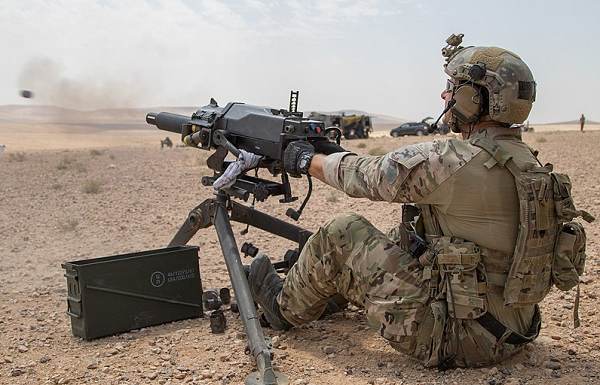
The Army primarily focuses on land-based military operations. Its responsibilities include ground combat, securing territory, and conducting operations on land. The Army’s capabilities are vast, ranging from infantry to armored units, and they engage in direct combat, peacekeeping, and humanitarian missions.
Conversely, the Air Force is geared towards air and space operations, providing strategic support through air power. Its primary missions include air superiority, surveillance, and logistical support. With advanced technology such as fighter jets, drones, and satellites, the Air Force can conduct operations at a distance and deliver precision strikes, which have become increasingly important in modern warfare.
Training and Recruitment
Recruitment processes for the Army and Air Force vary significantly. Army recruits often undergo Basic Combat Training (BCT), which focuses on tactical drills, physical fitness, and teamwork essential for ground warfare.
In contrast, Air Force recruits attend Basic Military Training (BMT), emphasizing technical skills alongside physical training. The Air Force’s focus on technology means that many recruits will also undergo extensive technical training post-BMT, preparing them for specialized roles in aviation, technology, and support.
Recent Developments
In recent years, both branches have adapted to meet emerging threats and technological advancements. The Army is increasing its investment in drone technology and cyber warfare capabilities to better respond to contemporary conflicts. Meanwhile, the Air Force is focusing on enhancing its space operations and developing next-generation aircraft as part of its strategy to maintain air dominance.
Conclusion
Understanding the differences between the Army and Air Force is crucial for grasping the structure of U.S. military operations. While they both serve the ultimate purpose of national defense, their methods, training, and areas of expertise vary significantly. As global security challenges evolve, the collaboration between these branches remains vital for a cohesive defense strategy. Whether one is looking to enlist or simply gain knowledge about their military services, distinguishing the unique roles of the Army and Air Force is essential in appreciating their contributions to national security.