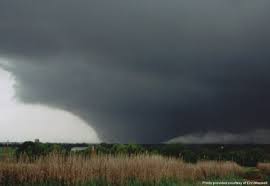
Introduction to EF5 Tornadoes
EF5 tornadoes represent the pinnacle of tornado intensity, categorized by the Enhanced Fujita scale due to their unprecedented wind speeds and destructive potential. These tornadoes can exceed wind speeds of 200 mph, making them capable of causing catastrophic damage to buildings, vegetation, and infrastructure. Understanding the characteristics and implications of EF5 tornadoes is crucial for communities in tornado-prone regions, especially as climate change potentially impacts severe weather patterns.
Recent Events and Occurrences
The most notable recent EF5 tornado occurred on May 22, 2011, in Joplin, Missouri. This tornado devastated the town, resulting in 158 fatalities and injuries to over 1,000 people, alongside damage to more than 7,500 homes and 550 businesses. The Joplin tornado remains a poignant reminder of the catastrophic power of EF5 tornadoes, prompting improvements in warning systems and emergency preparedness in affected areas.
In 2023, tornado season has already shown an uptick in severe storms across the Midwest, with meteorologists warning of possible EF5 conditions due to the confluence of warm, moist air colliding with cooler, drier air. Experts predict that as the planet continues to warm, we may see longer and more severe tornado seasons, increasing the likelihood of high-rated tornado events.
The Technologies in Tornado Forecasting
The advancement in radar technology, such as Doppler radar and storm chase teams, has improved the ability to detect and issue warnings for tornadoes, including those rated EF5. These tools provide critical data about wind speeds and tornado formation, allowing meteorologists to forecast conditions that may lead to extreme tornadoes. Early warning systems have been instrumental in saving lives, but the unpredictability of nature means that residents must remain vigilant.
Conclusion and Future Implications
The severity and potential for destruction posed by EF5 tornadoes cannot be overstated, making understanding and preparedness paramount for at-risk communities. Ongoing climate studies and advancements in meteorological technology will be essential in developing better predictive models for tornado occurrences. As climate conditions evolve, stakeholders must adapt to rising threats and continue enhancing public awareness initiatives and disaster preparedness plans. The impact of understanding EF5 tornadoes goes beyond just science; it encompasses the very essence of community resilience against nature’s fury.