Introduction
The looming threat of a government shutdown continues to capture national attention as lawmakers grapple with budgetary disagreements. A government shutdown occurs when Congress fails to pass sufficient appropriation bills or continuing resolutions, leading to the furloughing of federal workers and the halting of various government services. With the impacts felt across the nation, understanding the nuances of a government shutdown is essential for citizens and businesses alike.
Current Events Surrounding the Shutdown
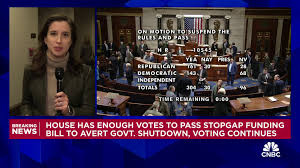
As of October 2023, tensions are running high in Washington, D.C., as Congress faces a tight deadline to prevent a government shutdown. Recent discussions have been marked by partisan divides, with Democrats and Republicans struggling to reach an agreement on funding allocations. According to reports, if Congress does not reach a consensus by October 31, the federal government could close its doors, forcing non-essential personnel to stay home and slowing critical government functions.
The Congressional Budget Office (CBO) has estimated that a prolonged shutdown could cost the economy billions of dollars as government contracts are postponed and businesses dependent on federal work experience losses. Essential services—such as national security, Medicare, and Social Security—typically remain operational; however, many federal employees and contractors face uncertainty amid budget restrictions.
Historical Context and Implications
Historically, government shutdowns have created significant disruption, with the last major shutdown occurring in December 2018, lasting 35 days, highlighting the vulnerabilities and consequences of fiscal stalemates. Various sectors, especially those reliant on federal assistance, including small businesses and low-income households, can feel the strain immediately. The ramifications of a government shutdown extend beyond immediate job losses, impacting long-term projects and disrupting economic growth.
Conclusion: Looking Ahead
As negotiations continue, experts emphasize the importance of bipartisan cooperation to avert a shutdown. Potential solutions include short-term funding measures or bipartisan agreements on specific appropriation bills that cater to the varying interests in Congress. With increasing public attention and economic stakes, the urgency to resolve disagreements is paramount. Citizens should remain informed and prepared as the situation develops, understanding the significance of government funding on everyday life, from job stability to essential services.