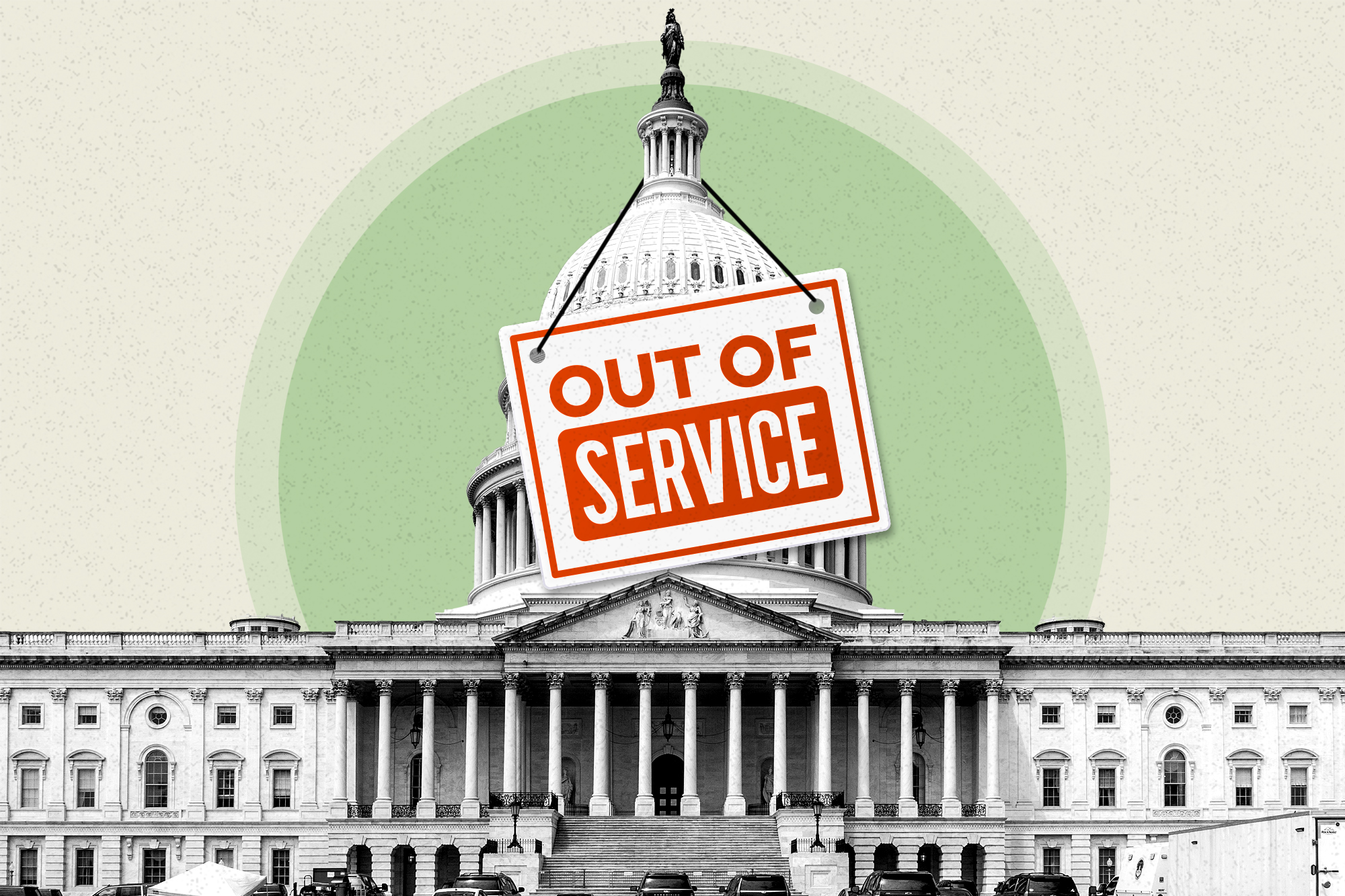
Introduction to the 2025 Government Shutdown
The looming government shutdown in 2025 has garnered significant attention due to its potential impact on federal services and the economy. As Congress faces intense political divisions, understanding the reasons behind the halt becomes crucial for American citizens. This event highlights deep-seated fiscal disagreements and the implications of budget negotiations between political parties.
Key Reasons for the 2025 Shutdown
Several key factors have contributed to the 2025 government shutdown. Central to the issue is the ongoing debate over the federal budget. With various factions within Congress advocating for significant increases in social spending, tax reform, and military expenditure, reaching a consensus has proven difficult. The Republican-controlled House has pushed for greater spending cuts, while Democrats have sought to preserve social programs and infrastructure spending.
Additionally, the debt ceiling discussions have further complicated matters. As the government approaches its borrowing limit, disagreements on how to address the national debt intensify. Past agreements have often resulted in temporary funding extensions, but this year, conflicting priorities have made such compromises harder to achieve.
The Effects of the Shutdown
The ramifications of a government shutdown can be far-reaching. Federal employees face furloughs, and many government services are suspended, disrupting essential operations. This poses a significant challenge to agencies like the IRS and the Department of Veterans Affairs, who play critical roles in maintaining citizen services.
The shutdown is also expected to have a negative effect on the economy. Experts warn that prolonged inaction could lead to reduced consumer spending and an increase in uncertainty among businesses. Stock markets typically react adversely to uncertainties related to government operations, leading to fluctuations that could affect retirement accounts and investment portfolios.
Conclusion: Path Forward
As negotiations continue, the importance of bipartisan cooperation remains evident. Policymakers must find common ground to avoid the negative consequences of a drawn-out shutdown. Observers suggest that a potential resolution could involve a temporary funding bill that allows further discussions on the budget, aiming to resume normal operations while addressing party demands.
In conclusion, understanding why the government shutdown is occurring in 2025 is essential for voters and stakeholders alike. Increased engagement and awareness of the ongoing political dynamics can empower citizens to advocate for solutions that ensure the stability and functionality of government services.