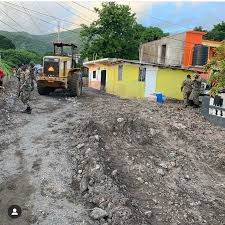
The Importance of Addressing Flood Damage
Flood damage is a critical issue that communities worldwide face, especially as climate change increases the frequency and severity of flooding events. Understanding the implications of flood damage not only informs recovery efforts but also aids in future preparedness. As we witness increased rainfall and rising sea levels, communities must respond to these challenges more proactively.
Recent Flooding Events
Recent heavy rainfall across the Midwest in the United States brought severe flooding, particularly in states like Illinois and Missouri. According to the National Weather Service, many areas received over six inches of rain in just 24 hours, resulting in road closures, property damage, and displacement for residents.
The Federal Emergency Management Agency (FEMA) reported that several thousand homes were impacted, with immediate assessments indicating significant structural damage. Local officials mobilized relief efforts, providing temporary shelters, food, and necessary resources to affected families. The swift response was crucial in alleviating some of the pain stipulated by these natural disasters.
Long-term Effects of Flood Damage
While the immediate response focuses on rescue and recovery, the long-term effects of flood damage can be catastrophic. Homes and businesses may face extensive repairs or complete reconstruction, adding financial strain to families already struggling. Furthermore, the psychological impact of such disasters can linger, with many residents experiencing anxiety, depression, or post-traumatic stress.
Infrastructure damage also poses significant challenges. Roads, bridges, and utilities require assessment and repair, often leading to prolonged disruptions in service. This can hinder local economies, reducing access to work and essential services for months or even years after the flood.
Looking Ahead: Preparedness and Mitigation
As communities reflect on the recent flooding crisis, it becomes clear that preparedness and mitigation efforts must take center stage. Investing in better drainage systems, flood walls, and community awareness programs can help reduce the damage in future flooding scenarios. Policymakers are urged to evaluate existing infrastructure and consider climate resilience as a key component of urban planning.
Conclusion
Flood damage remains a pressing concern in today’s climate scenario. As communities come together to recover from recent events, it is essential to implement strategies that not only address current needs but also shape a more resilient future. By understanding and acting on the root causes and implications of flood damage, we can transform crisis into opportunity and work towards building safer, more prepared communities.