Introduction
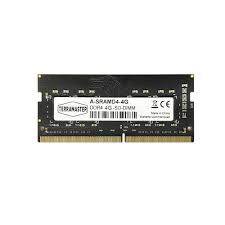
Random Access Memory (RAM) plays a crucial role in the performance and efficiency of electronic devices, particularly in computing and mobile technology. As the demand for faster processing speeds and enhanced multitasking capabilities continues to grow, advancements in RAM technology become increasingly significant for manufacturers and consumers alike. This article examines the latest trends and developments in RAM technology, highlighting its relevance to current and future applications.
Recent Developments in RAM Technology
In recent years, the RAM market has seen rapid evolution, driven by innovations like DDR5 (Double Data Rate 5) memory, which offers substantial improvements in speed and bandwidth over its predecessor, DDR4. DDR5 chips provide a transfer rate of up to 6400 MT/s, significantly enhancing the performance of desktops, laptops, and mobile devices. This leap forward not only speeds up system performance but also meets the growing demands of gaming, video editing, and artificial intelligence operations.
Additionally, manufacturers are emphasizing energy efficiency, with new RAM technologies designed to consume less power while delivering high performance. Low-Power DDR (LPDDR) variants are particularly crucial for mobile devices, where extending battery life is paramount. These advancements help devices operate longer without needing frequent recharging, addressing consumer demands for sustained performance.
Industry Impact and Applications
The development of faster and more efficient RAM is impacting various industries, including gaming, professional graphics, and cloud computing. Gamers and content creators benefit from increased memory speeds, which allow for smoother performance and the handling of more resource-intensive tasks simultaneously. In the realm of cloud computing, enhanced RAM capabilities enable data centers to process complex workloads with greater efficiency, improving overall services for users.
The rise of artificial intelligence (AI) and machine learning also highlights the necessity for higher RAM capacities. Systems handling significant amounts of data rely on swift data access and processing, making RAM a critical component in achieving desired outcomes within these technologies.
Conclusion
The continuous evolution of RAM technology signifies its integral role in the advancement of electronic devices across multiple sectors. The improvements in speed, efficiency, and power consumption reflect the industry’s commitment to meeting consumer demands and enhancing usability. As future technologies develop and the requirements for data processing escalate, RAM will remain at the forefront, ensuring that devices can operate at peak performance and efficiency in an increasingly digital landscape. This advancement not only impacts individual users but also shapes the future of technology as a whole, paving the way for innovations we have yet to imagine.