Introduction
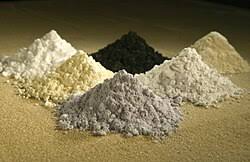
Rare earth minerals are a group of 17 elements critical to the manufacturing of various technological devices and innovations, ranging from smartphones to renewable energy technologies. Their significance has surged in recent years due to the growing demand for high-tech applications and green energy solutions. As global competition for these minerals intensifies, understanding their importance and the dynamics of their supply chains has become essential for both industries and consumers alike.
The Current Landscape of Rare Earth Minerals
As of 2023, China remains the predominant supplier of rare earth minerals, accounting for approximately 60% of the world’s production. However, geopolitical tensions, particularly between China and the United States, have raised concerns about the reliability of these supply lines. An ongoing trade conflict between these two nations, which has seen tariffs and restrictions, has further emphasized the necessity for countries like the U.S. to diversify their supply sources.
Moreover, alternative supply chains are emerging, with countries in Africa, Australia, and Canada stepping up their production capabilities. For instance, Australia’s Lynas Corporation has gained attention for its initiatives to process rare earths outside of China, while the United States has been exploring mining possibilities in Nevada and other states. These steps are crucial in reducing dependency on any single country and ensuring a more stable supply chain.
The Role of Rare Earth Minerals in Technology
Rare earth minerals have unique properties that make them essential for producing high-performance magnets, phosphors, catalysts, and batteries. For example, neodymium, one of the most significant rare earth elements, is used in magnets that power everything from electric vehicles to wind turbines. As the world transitions towards more sustainable energy sources, the demand for these minerals is expected to exponentially rise.
Additionally, lanthanum and cerium are key components in catalysts used in automobile production, contributing to lower emissions. With technological advancements often coming at an environmental price, the responsible sourcing and recycling of rare earth minerals are increasingly vital to maintaining ecological balance.
Conclusion
As we move deeper into the 21st century, the relevance of rare earth minerals grows, not only for technology advancement but also for national security and economic stability. Policymakers and industry leaders must prioritize the establishment of secure and sustainable supply chains to avert any disruptions that could arise from geopolitical tensions.
Looking forward, further investment in research and development of rare earth recycling technologies and mining alternatives will be crucial. By fostering a diversified and responsible approach to sourcing these minerals, countries can ensure they remain at the forefront of technological innovation while mitigating potential risks associated with supply chain vulnerabilities.