Introduction
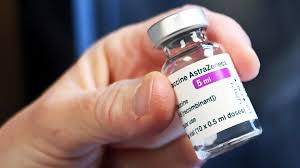
Vaccines are a cornerstone of modern medicine and play a critical role in public health. They are designed to protect individuals and communities from infectious diseases by stimulating the immune system. The relevance of vaccines has gained renewed attention in the light of the ongoing COVID-19 pandemic, which has underscored their significance in controlling disease outbreaks and safeguarding population health.
Current Vaccine Landscape
As of October 2023, vaccines remain a hot topic worldwide, with new developments constantly emerging. The World Health Organization (WHO) estimates that vaccination prevents between 2-3 million deaths each year from diseases such as diphtheria, tetanus, pertussis, influenza, and measles. Vaccinations not only protect individuals but also contribute to herd immunity, where a significant portion of the population is vaccinated, making the spread of contagious diseases more difficult.
In the last few years, the global focus has particularly been on vaccines against COVID-19. Multiple vaccines have been authorized for emergency use, including mRNA vaccines like Pfizer-BioNTech and Moderna, as well as viral vector vaccines like Johnson & Johnson’s Janssen. As new variants of the virus continue to emerge, booster shots and updated vaccines are being developed to enhance efficacy and extend protection.
Challenges and Misconceptions
Despite the proven effectiveness of vaccines, misinformation and vaccine hesitancy pose significant challenges to achieving high vaccination rates. Public health officials are working to combat misinformation through education and outreach. Studies indicate that addressing concerns and providing transparent information can significantly improve vaccine acceptance rates.
Health experts are urging communities to remain vigilant, especially as seasonal flu and other vaccine-preventable diseases take center stage in the fall. Many healthcare providers are encouraging simultaneous vaccinations to enhance community immunity during pandemics and outbreaks.
Conclusion
The importance of vaccines cannot be overstated; they are essential for preventing the resurgence of diseases that once caused significant mortality and morbidity. As we navigate the post-pandemic period, the continued support for vaccination campaigns will be crucial in promoting health and safety. Looking ahead, investment in vaccine research and development, alongside public health education, will be pivotal in tackling both existing and emerging health threats. For individuals, getting vaccinated is a personal decision, but it also reflects a collective commitment to health and community well-being.