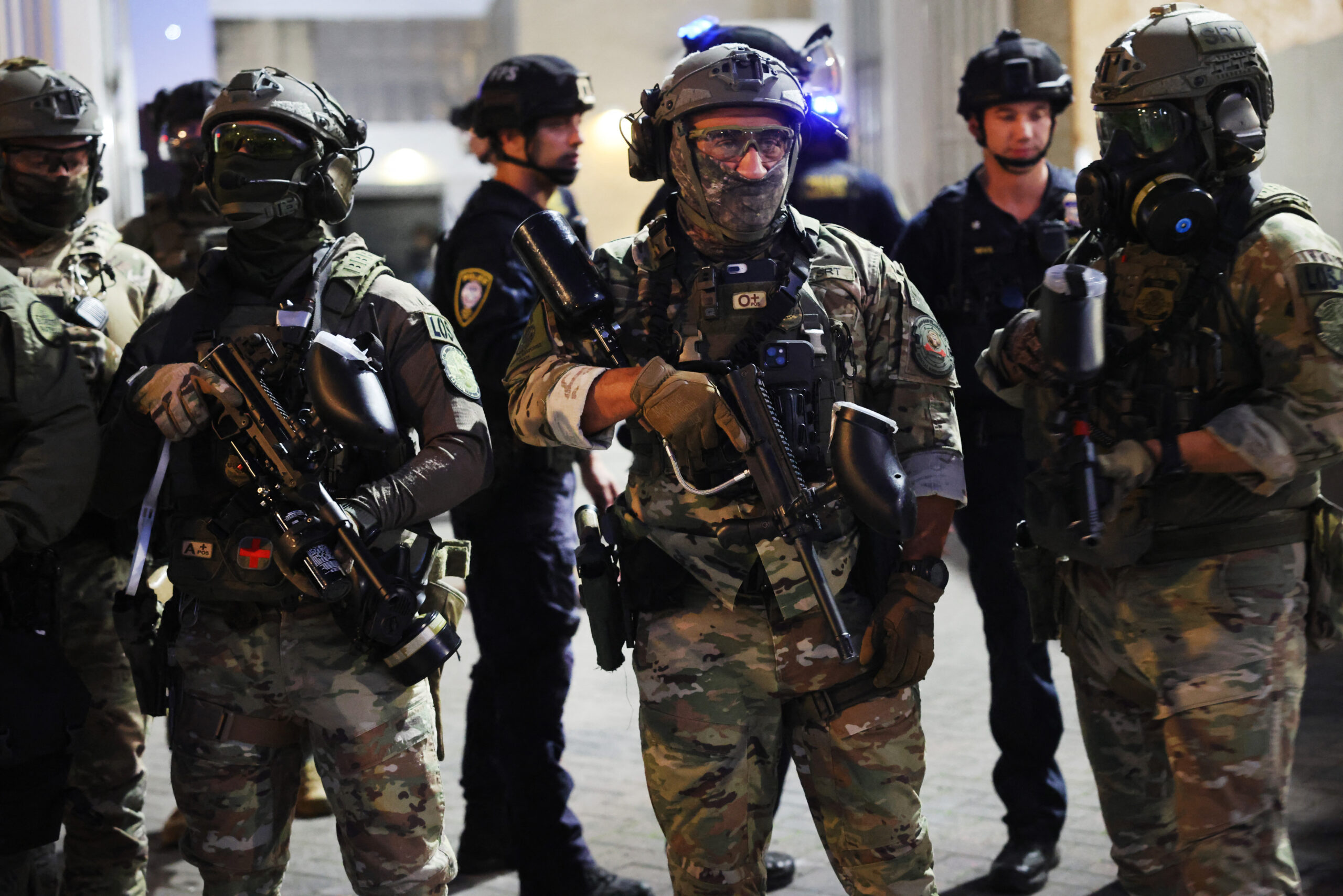
Introduction to the Insurrection Act
The Insurrection Act is a crucial piece of legislation in the United States that allows the President to deploy military forces within the country to suppress civil disorder, insurrection, or rebellion. Understanding the significance of this act is vital, especially in today’s politically charged climate, where discussions about federal authority and civil liberties are prevalent. The Insurrection Act has the capacity to shape responses to domestic unrest, making it an important topic in contemporary legal and political discussions.
Historical Context
Established in 1807, the Insurrection Act was originally designed in response to concerns about potential uprisings and the Federal government’s ability to maintain order. The Act grants the President the power to act unilaterally to quell civil disturbances in circumstances where local authorities cannot restore order. Over the years, it has been invoked during critical periods in American history, including the Civil Rights Movement and after the 1992 Los Angeles riots. Each invocation has sparked debate about the balance between maintaining order and protecting individual rights.
Modern Implications
Recently, the Insurrection Act has come back into the spotlight, particularly during times of significant civil unrest. Notably, in 2020, discussions intensified as protests erupted across the nation in response to racial injustice. Former President Donald Trump suggested he might invoke the Insurrection Act, leading to nationwide discussions about the role and reach of federal power in domestic affairs. Activists and legal scholars voiced concerns about the potential overreach of executive authority and the implications for democratic governance.
Legal Framework and Conditions for Invocation
Under the Insurrection Act, the President can deploy military forces only in cases where state authorities are unable or unwilling to maintain order. This condition means that a thorough assessment of local law enforcement’s capacity is necessary before federal intervention can be justified. Legal interpretations suggest that the use of the Act should be a last resort, reinforcing the need for a measured approach to handling domestic disturbances.
Conclusion and Significance
The Insurrection Act remains a powerful yet controversial legal tool that can significantly impact the relationship between federal and state authorities during times of crisis. As the political landscape evolves, understanding the limits and responsibilities associated with this act is essential for citizens and lawmakers alike. Looking forward, it is crucial to maintain discussions around the balance of power in America, particularly as instances of civil unrest become increasingly complex and intertwined with broader social movements. Being informed about the Insurrection Act enables citizens to engage in these conversations, advocating for a democratic process that respects both order and liberty.