Introduction
The recent surge of norovirus outbreaks on cruise ships has raised concerns about public health safety while traveling on these floating resorts. With the rapid increase in cruise tourism and the highly contagious nature of norovirus, understanding the risks and prevention measures has never been more crucial. Outbreaks can significantly impact passengers and crew members, prompting health officials to reassess regulations and protocols aboard cruise liners.
Details of the Recent Outbreaks
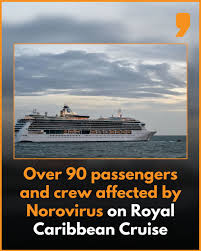
In late October 2023, several reports emerged of norovirus outbreaks on multiple cruise ships, including one incident involving over 250 passengers and crew aboard the MS Adventure, a popular cruise liner sailing in the Caribbean. Passengers reported symptoms such as vomiting, diarrhea, and stomach cramps, leading to immediate isolation measures.
The Centers for Disease Control and Prevention (CDC) responded by advising those on board to observe strict hygiene practices, especially hand washing and sanitizing common areas. This response highlights ongoing concerns regarding virus transmission risks in confined spaces, which are prevalent on cruise ships.
Response and Prevention Measures
In response to these outbreaks, cruise lines have begun reinforcing their health and sanitation protocols, which include enhanced cleaning procedures and the distribution of hand sanitizer to guests and staff. Additionally, cruise lines are now implementing pre-cruise health screenings to minimize potential exposure before passengers board.
Healthcare experts recommend that passengers should be aware of norovirus symptoms and react swiftly if they feel unwell. Reporting any symptoms immediately can help with containment efforts and reduce the chance of wider outbreak among passengers.
Conclusion
The norovirus outbreaks on cruise ships serve as a reminder of the vulnerabilities in public health when large gatherings occur in close quarters. As cruise travel becomes more popular, the industry faces heightened scrutiny regarding passenger health and safety. Future trends may involve stricter health regulations, advanced sanitation technologies, and increased passenger education to ensure safer cruising experiences.
Ultimately, while the cruise industry adapts to these challenges, it is essential for travelers to stay informed and take personal preventive measures. Awareness is critical in protecting both individual health and community safety aboard cruise liners.