Introduction
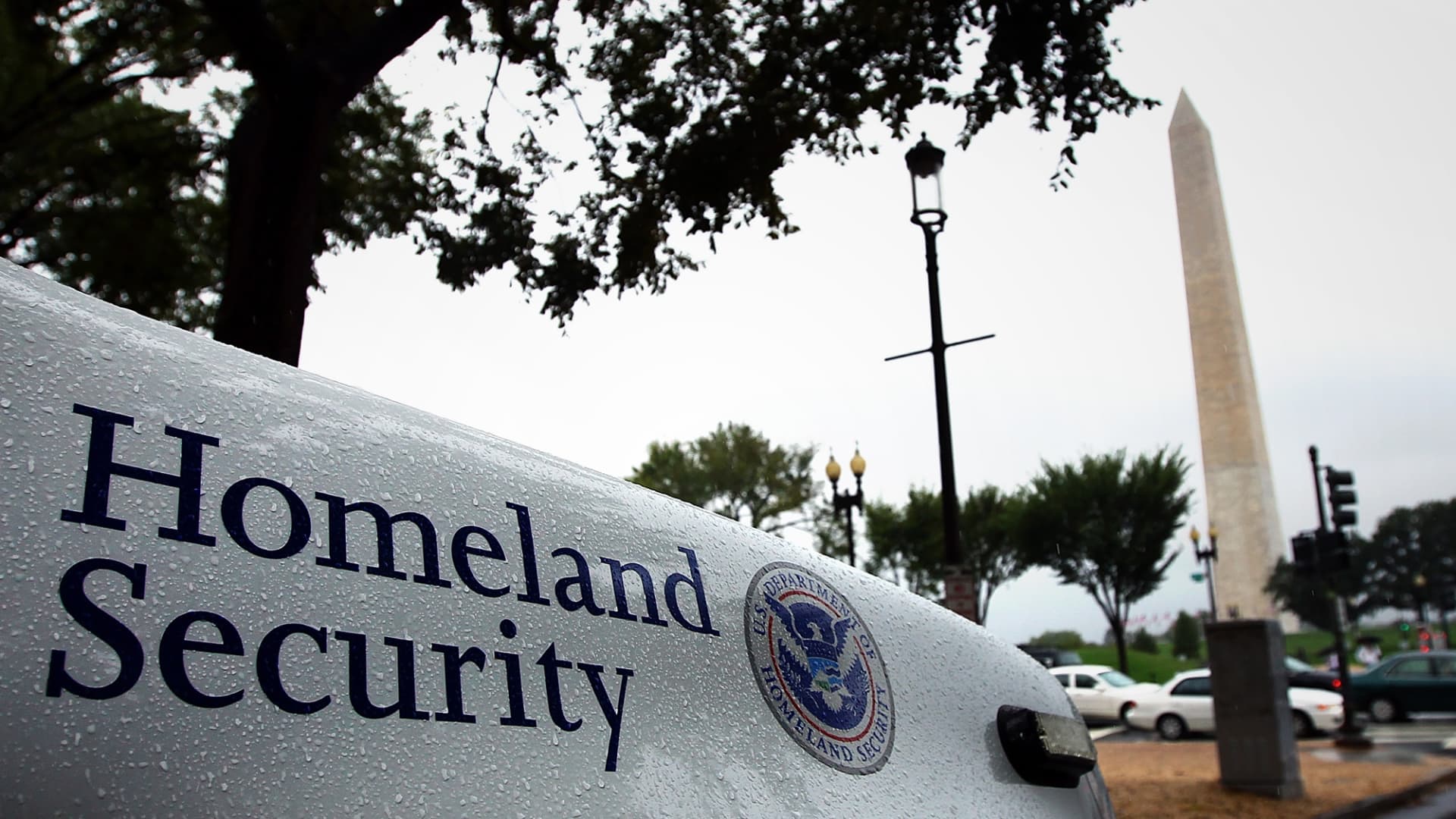
The potential shutdown of the Department of Homeland Security (DHS) carries significant implications not only for government operations but also for American citizens. As a key agency responsible for national security, immigration enforcement, and emergency response, any disruption in DHS services could affect a wide array of areas that directly impact the safety and security of the nation.
Recent Developments
As of late 2023, there has been an ongoing budget impasse in Congress, raising concerns about a possible government shutdown, including the DHS. The primary issue surrounds disagreements over federal funding allocations, particularly related to immigration policies and border security measures. President Biden has emphasized the need for bipartisan support to avert a shutdown, while Republicans are pushing for tighter immigration controls, creating deadlock.
If a shutdown occurs, critical functions of the DHS that could be impacted include immigration and border security enforcement, cybersecurity operations, and disaster response efforts managed by FEMA. During the last government shutdown in 2018-2019, many DHS functions continued based on funding from prior years; however, new initiatives and programs that require fresh funding would likely be halted.
Consequences of a DHS Shutdown
The implications of a DHS shutdown could be extensive:
- Immigration Services: Applications for visas, asylum requests, and other immigration processes could experience delays or suspensions, leading to uncertainties for individuals seeking refuge or employment in the U.S.
- Border Security: Resources allocated for customs and border protection may become limited, impacting operational efficiencies and border management.
- Emergency Response: FEMA’s disaster response capabilities could be delayed, hindering readiness and recovery efforts in the aftermath of natural disasters.
- Cybersecurity: Cyber defense mechanisms may be compromised as personnel are furloughed or positions remain unfilled, exposing critical infrastructure.
Conclusion
With a DHS shutdown looming, it is crucial for citizens and stakeholders to stay informed about legislative developments. The outcome of these negotiations will play a vital role in the functioning of key services that ensure the safety and security of the American public. As government officials continue to deliberate, the hope remains for a resolution that supports national security needs without compromising essential services. The significance of understanding these dynamics cannot be understated, as the implications of a shutdown could be felt across the nation for an extended period.