Introduction
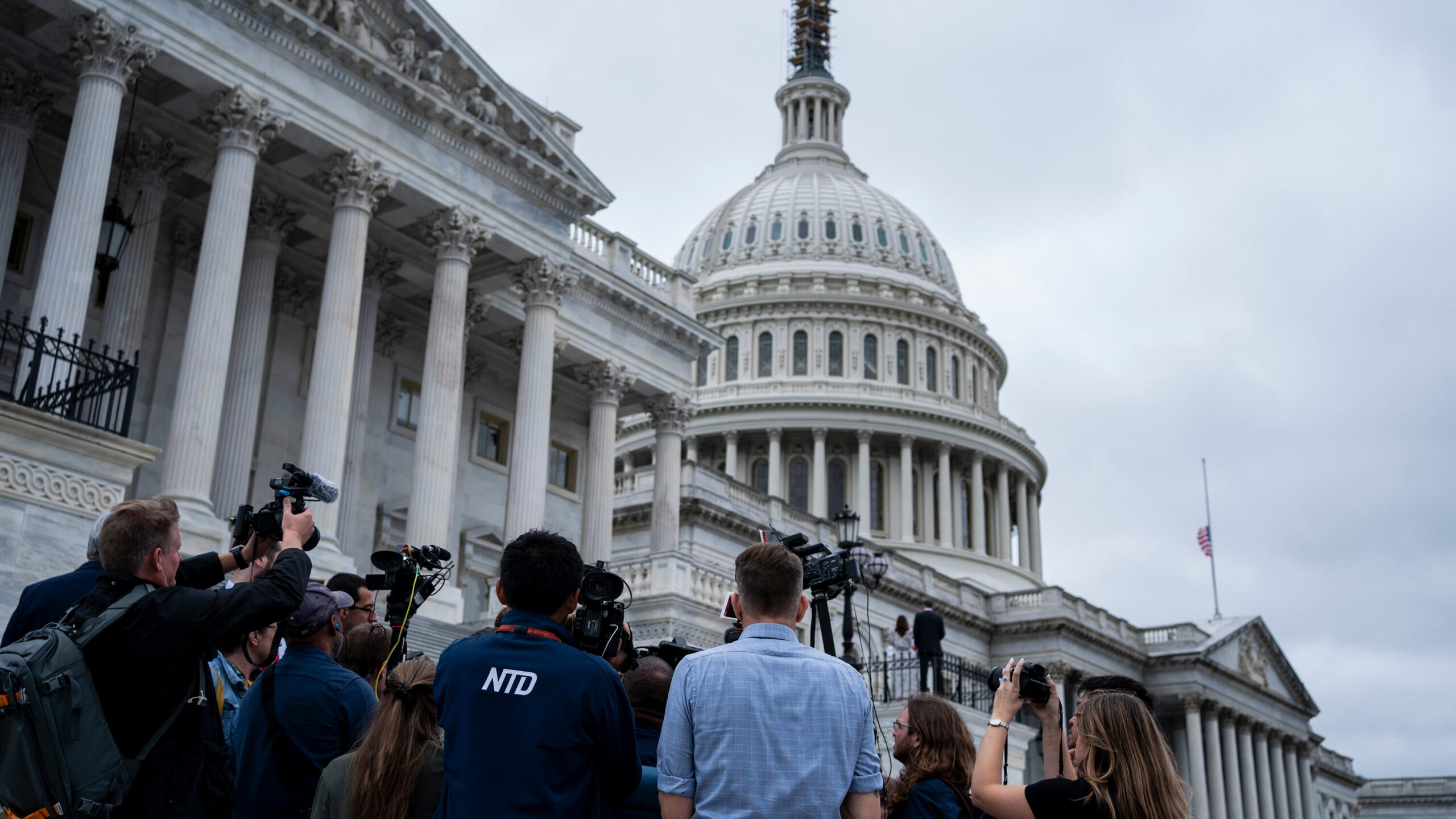
The specter of a government shutdown looms over the United States as the year 2026 approaches. With the government often facing budgetary constraints and disagreements among lawmakers, the possibility of halting federal operations raises significant concerns for both citizens and civil service agencies. Understanding the implications of a government shutdown is crucial for informed public discourse and effective crisis management.
Recent Legislative Trends
Recent history shows that the U.S. government has experienced several shutdowns, most recently in 2019, when the budget impasse between Congress and the Trump administration lasted 35 days, impacting numerous federal services. As discussions heat up regarding the budget for fiscal 2026, various factors including political polarization, differing priorities among parties, and economic conditions will play pivotal roles in determining whether a shutdown occurs.
Impact on Services and Citizens
If Congress fails to reach an agreement before the deadline, essential services such as Social Security payments, veterans’ benefits, and national parks could be affected. Federal employees may face furloughs, and non-essential government services might halt, creating a ripple effect throughout the economy. The Congressional Budget Office (CBO) has warned that a shutdown could cost the economy billions of dollars, further straining public resources and eroding public trust in governmental responsiveness.
Political Ramifications
The political fallout from a potential shutdown is also significant. Party leaders will have to navigate their constituents’ expectations, with Republicans and Democrats aiming to uphold their respective party lines while catering to public sentiment. These negotiations can become increasingly complicated as both sides prepare for the midterm elections in 2026, causing political maneuvering that could either prevent or exacerbate the situation.
Conclusion
The possibility of a government shutdown in 2026 is not just a theoretical concern; it reflects ongoing conflicts within the legislative process that can drastically affect the lives of millions of Americans. As citizens prepare for the potential repercussions, ongoing discussions among lawmakers will be crucial in averting a shutdown. As the fiscal deadline approaches, those interested should stay informed, as these developments will likely shape the political landscape heading into 2026.